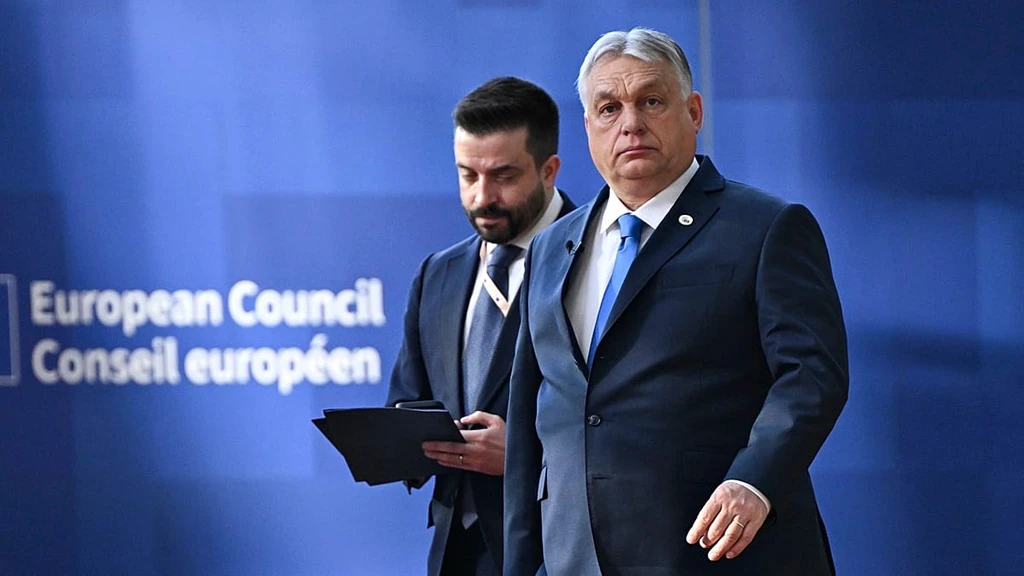
European Union leaders erupted in fury Thursday following Hungarian Prime Minister Viktor Orbán’s veto of a critical €90 billion loan package for Ukraine. António Costa, President of the European Council, declared that no leader could blackmail EU institutions, insisting the December agreement stands despite Budapest’s obstruction.
The standoff centers on the Druzhba oil pipeline. Orbán demands Ukraine allow energy transit through its territory before funds release, alleging Kyiv sabotaged infrastructure ahead of Hungary’s April 12 election. President Volodymyr Zelenskyy rejects these claims but faces immense pressure as U.S. aid remains suspended under the Trump administration.
Commission President Ursula von der Leyen labeled the move an act of disloyalty, warning that Hungary’s conditions are impossible given ongoing Russian missile attacks. German Chancellor Friedrich Merz echoed concerns, suggesting voting rules may require revision to prevent future blockages. French President Emmanuel Macron cautioned against instrumentalizing energy security disputes.
Without the funding, Ukraine risks budget collapse by early April. Slovak Prime Minister Robert Fico indicated potential support for Orbán’s blockade if pipeline flows remain disrupted. The crisis threatens EU institutional credibility as member states navigate geopolitical fractures during tight domestic election cycles.