The UN World Health Organization has raised the national risk assessment for the Ebola outbreak in the Democratic Republic of the Congo to "very high." While the global risk remains low, the WHO warns the actual scale is likely far larger, with nearly 750 suspected cases and 177 suspected deaths.
The outbreak is unfolding in the eastern provinces of Ituri and North Kivu, regions plagued by armed violence, mass displacement, and deep mistrust of outside authorities, fueled by misinformation.
Two cases have been confirmed in Uganda, linked to travel from DRC, including one death. Two American nationals-including a doctor-have been transferred to Europe for treatment or monitoring. The outbreak is caused by the Bundibugyo strain of Ebola, for which there are no approved vaccines or therapeutics.
UN Emergency Relief Coordinator Tom Fletcher has allocated up to $60 million from the Central Emergency Response Fund to support the response in DRC and neighboring countries. The WHO has released $3.9 million and deployed 22 international staff. The UN peacekeeping mission MONUSCO has airlifted nearly 30 tons of emergency supplies.
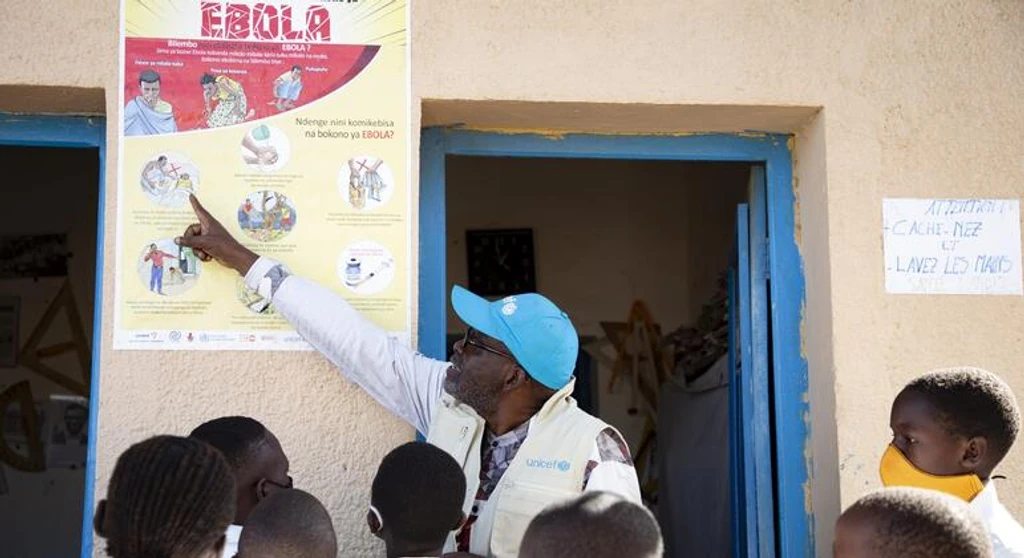
Aid agencies emphasize that misinformation and distrust are major obstacles. The Red Cross is conducting door-to-door awareness campaigns and mobilizing safe burial teams. Social dynamics may leave women disproportionately affected, as during the 2018-2019 outbreak, women and girls accounted for roughly two-thirds of cases.
WHO and partners are accelerating work on experimental vaccines and therapeutics for the Bundibugyo strain. Building community trust is described as a top priority.