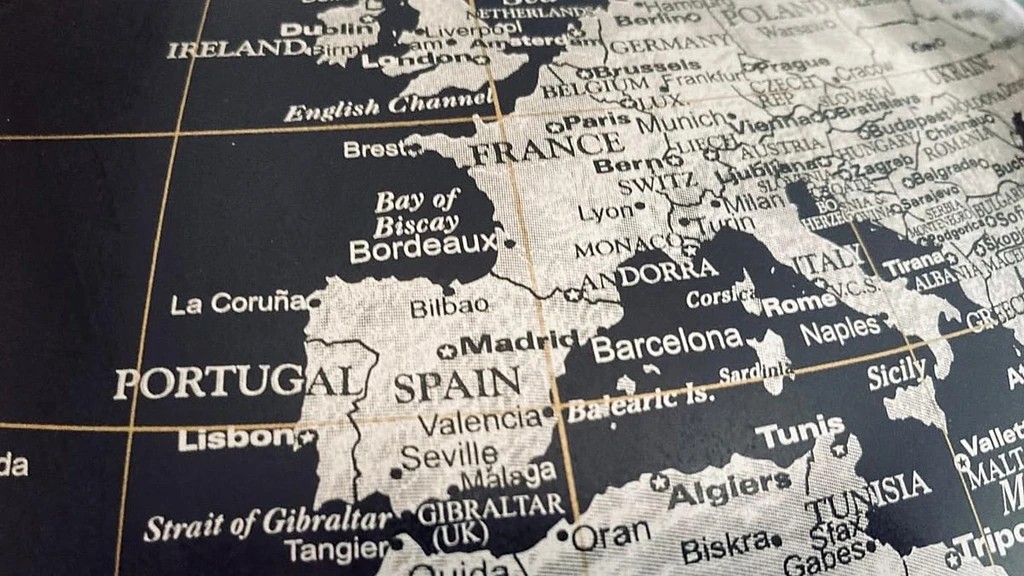
For over 80 years, Spain has operated on Central European Time (CET), despite its western longitude suggesting it should follow the Greenwich Meridian.
This shift occurred in March 1940 under Francisco Franco’s regime, aligning Spain with other European nations already adjusting their clocks. While some believed it was a symbolic gesture toward Nazi Germany, historians say this is a myth.
According to Pere Planesas, a former astronomer, the move was purely practical-facilitating coordination during post-war reconstruction. He notes that Spain now shares time zones with over half of Europe and its major trading partners.
Yet, the mismatch continues to affect health. Biologist Dario Acuña from the University of Granada warns that excessive evening light disrupts the circadian rhythm, contributing to sleep disorders.
"We should align our schedules with natural light patterns," he said.
Spain remains caught between history, geography, and biology. The time zone reflects both past politics and ongoing challenges to modern living.