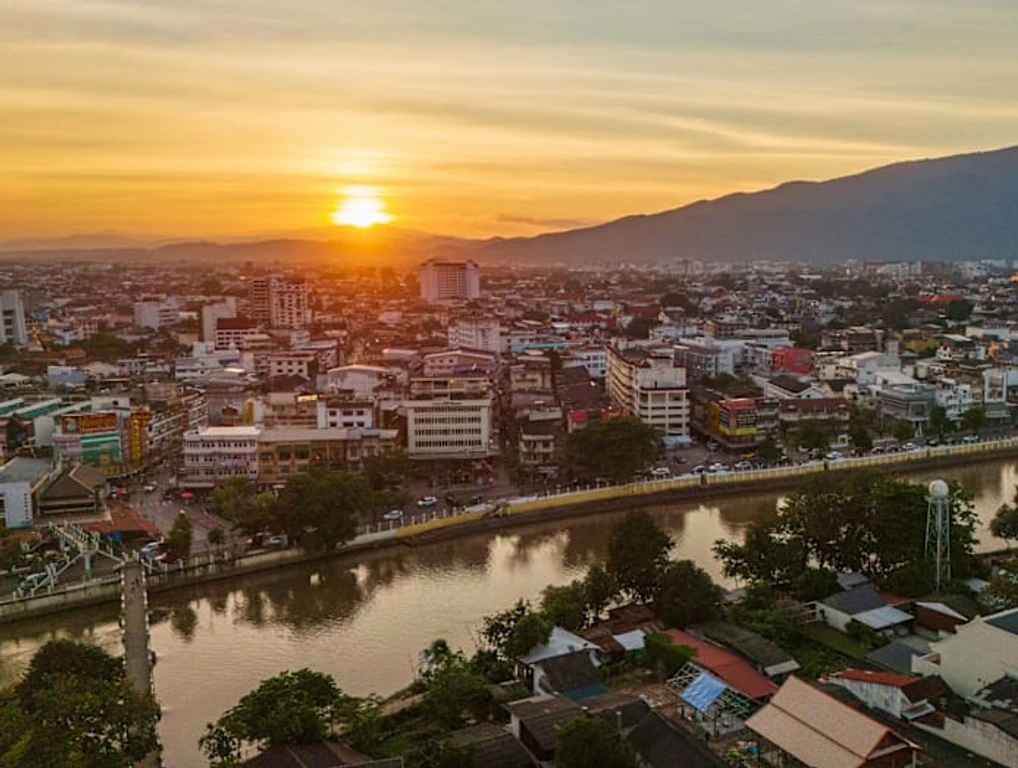
Chiang Mai, nestled in northern Thailand’s mountains, is becoming a top destination for Singaporeans seeking an alternative to urban life. Drawn by open spaces, natural beauty, and a slower pace, thousands have made the city their long-term home.

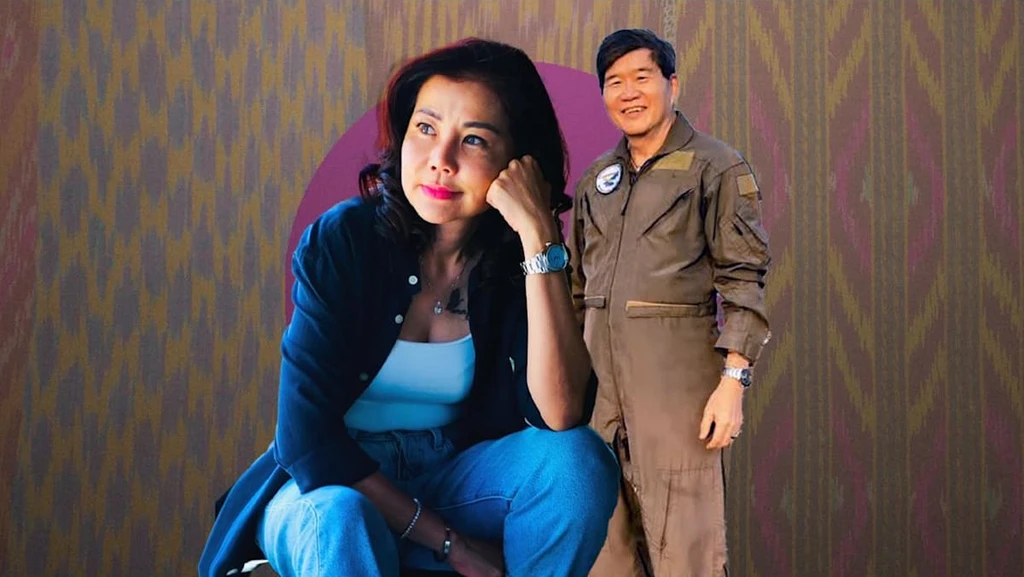
Lim K-Lin, a 53-year-old former economics teacher and financial entrepreneur, moved in 2013 after retiring at 40. What began as a property purchase became a new life running Paak Dang Riverside Chiang Mai, a restaurant employing Hmong youth and at-risk teens. She cites happiness over financial gain, noting that infrastructure - from healthcare to education - rivals Singapore’s, while mountains are minutes away.
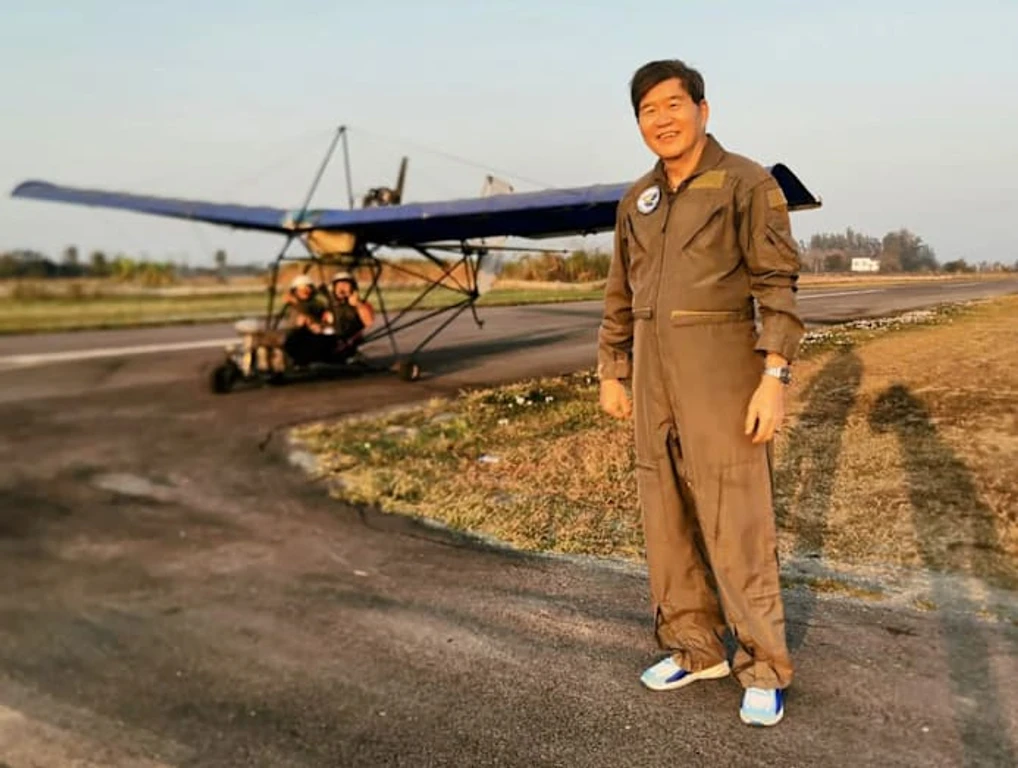
At 75, retired educator Loh Tee Yang maintains a dual life, splitting time between Singapore and Phayao through a friend’s hospitality. He supports rural schools and hospitals, returning annually. He advises newcomers to visit multiple times, learn basic Thai, and build local connections before settling.
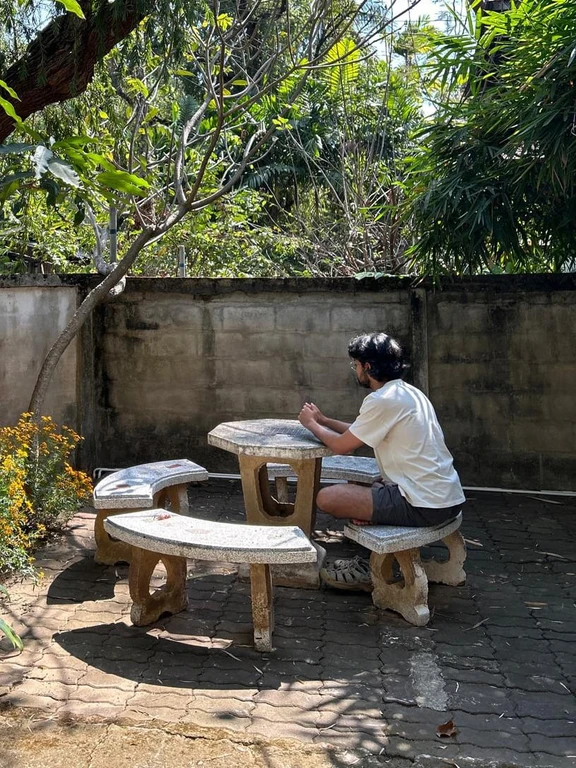
Architectural designer Wai, 30, represents a younger wave of remote workers. He and his wife relocated this year on a DTV visa, renting a traditional house in Mueang. Valuing access to hiking and craft culture, he’s testing the move through seasonal changes before full commitment.
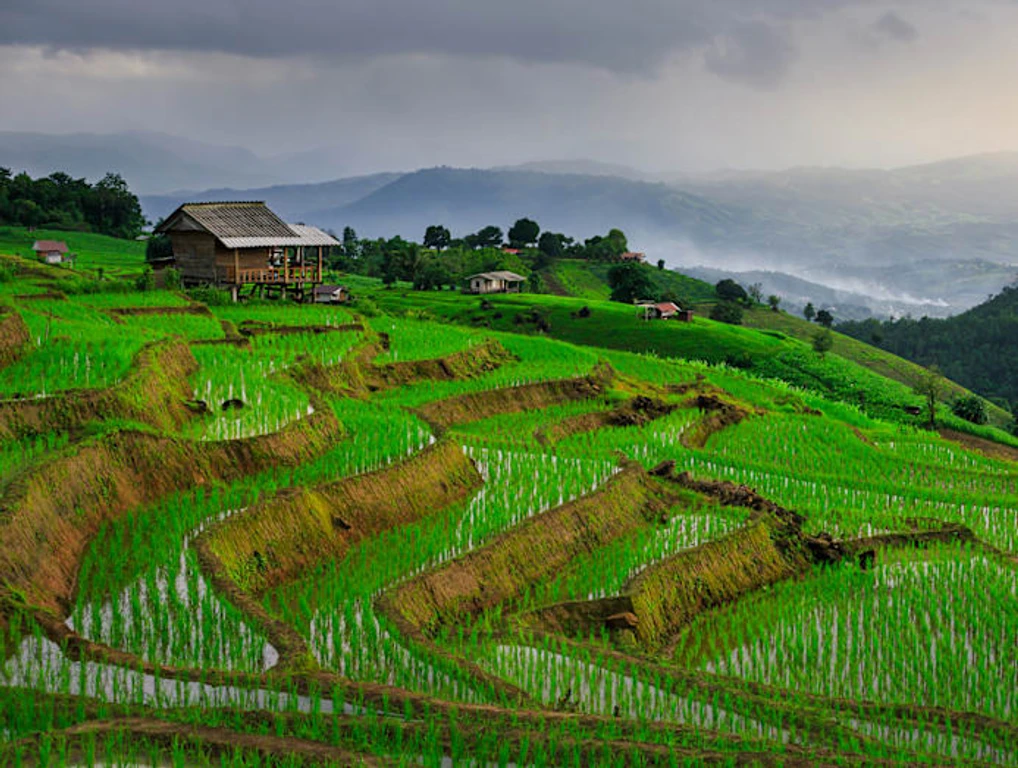
Chiang Mai blends urban amenities - international schools, hospitals, airports - with a village-like atmosphere, especially in the Old Town. Neighborhoods like Nimmanhaemin attract digital nomads; others favor families and retirees. A new international airport is set to open in five years.
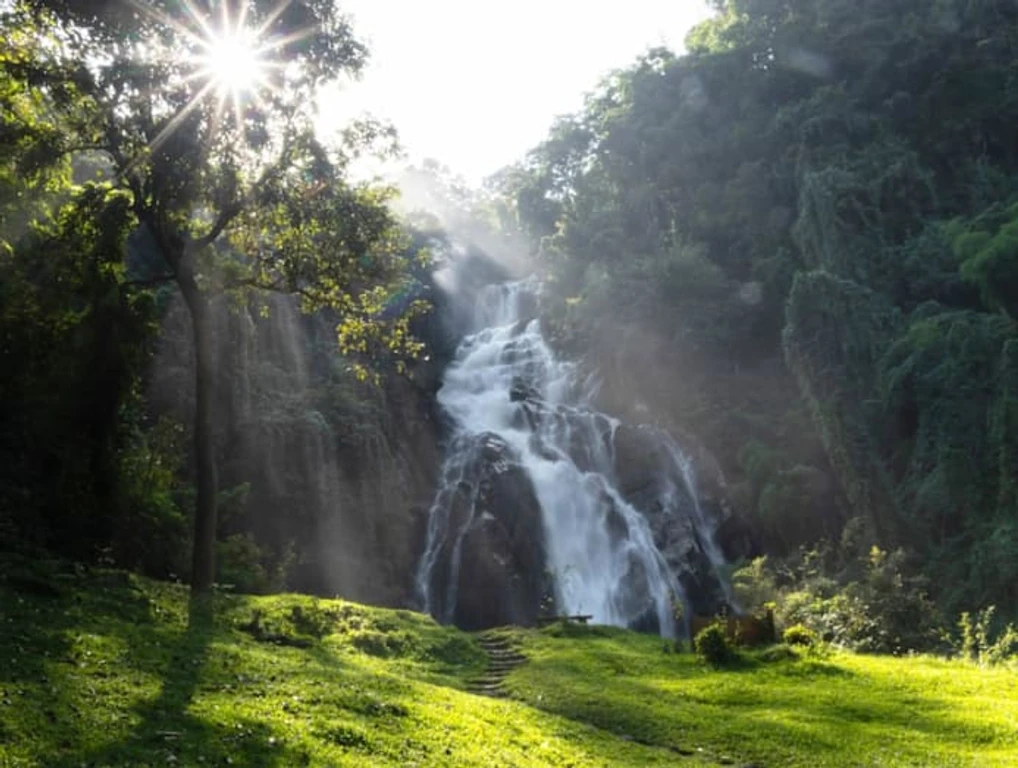
The city’s appeal lies not in escaping Singapore, but in redefining success - through community, nature, and purpose. For those open to change, Chiang Mai isn’t just a place to live. It chooses them.