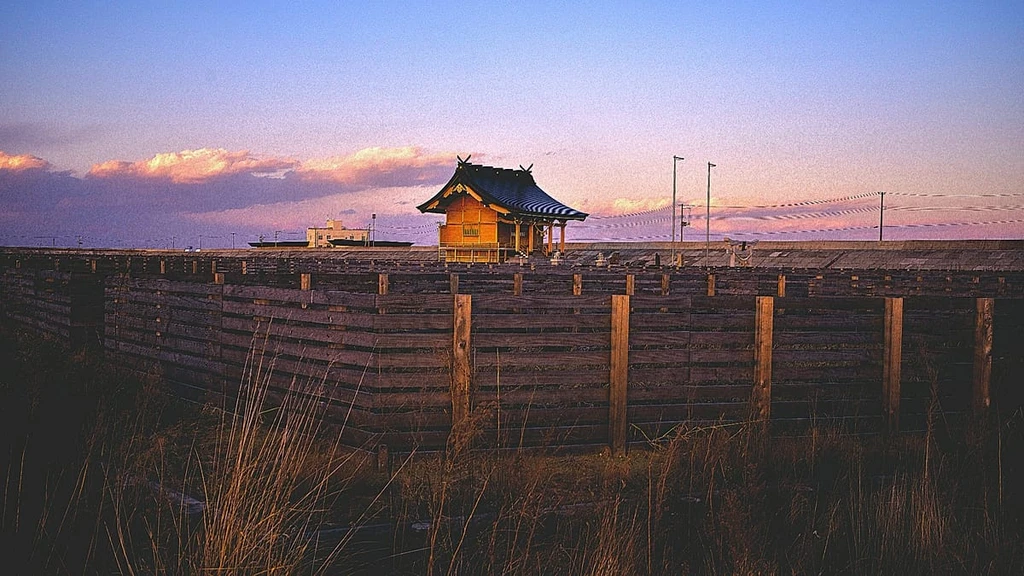
Fifteen years ago, Japan was struck by a magnitude 9.0 earthquake, unleashing a catastrophic tsunami that devastated coastal communities in Miyagi, Fukushima, and Iwate prefectures. The disaster claimed nearly 20,000 lives and triggered the Fukushima Daiichi nuclear meltdown, the world's worst nuclear accident since Chernobyl.
Japan has since dedicated significant resources to reconstruction. Major infrastructure projects are complete, with a phased approach to rebuilding communities and fostering economic independence. A new revitalization period begins April 2026, aiming for long-term recovery through 2030.
In Fukushima Prefecture, decontamination efforts have significantly reduced radiation levels, now comparable to other major global cities. Food safety is strictly monitored, and evacuation orders cover only 2.2% of the prefecture. Treated water is being released from the Fukushima Daiichi plant, a process authorities state meets international safety standards.
Community rebuilding includes mental health support for victims and assistance for displaced residents. Social programs aim to reconnect communities. The Tohoku region is actively promoting tourism, with popular sites like Matsushima Bay drawing visitors eager to witness the region's resilience.