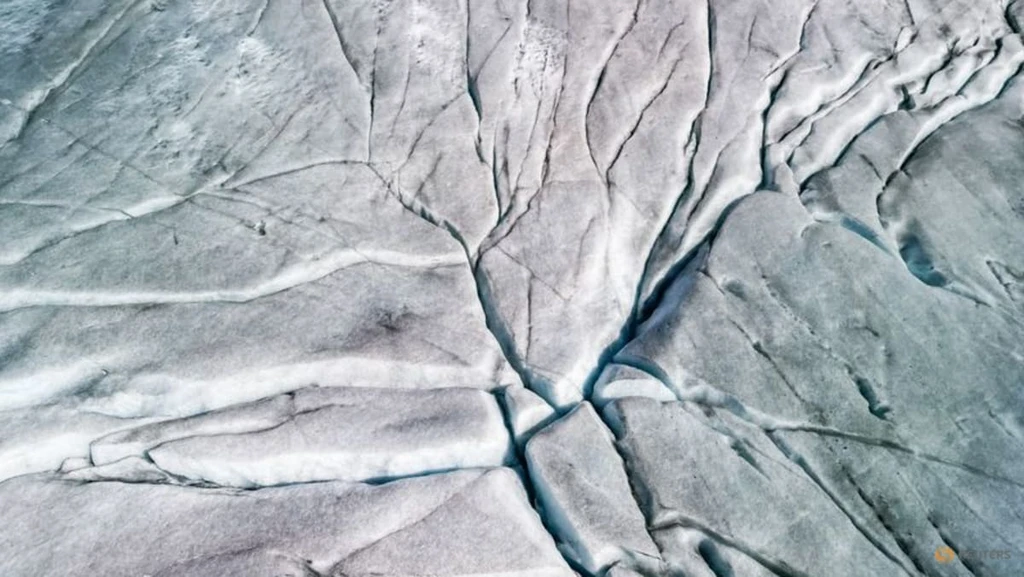
Swiss glaciers are shedding their protective winter snow at an alarming rate, triggering a new phase of accelerated ice loss that scientists describe as critical.
Researchers confirmed that the Rhone Glacier in southern Switzerland reached its "Glacier Loss Day" on June 29. This marks the tipping point when the accumulated winter snowpack has fully melted, exposing the ancient ice beneath to the summer heat-a threshold reached at the second-earliest date on record.
Matthias Huss, director of Glacier Monitoring Switzerland, says three months remain in the melt season for ice that took centuries to form to vanish. "This is really a worrying situation," Huss stated, noting that the state of the glaciers is nearly as severe as the record-breaking year of 2022.
Two punishing heatwaves, combined with scant winter snowfall, supercharged the melt. During June's extreme temperatures, meltwater runoff from Swiss glaciers was sufficient to fill an Olympic-sized swimming pool every six seconds for a two-week span. A single monitoring site at the Rhone Glacier registered 1.5 meters of ice loss in just fourteen days.
Long-time visitors are witnessing the transformation firsthand. German tourist Harry Block, who has visited the glacier for half a century, described a staggering retreat. An ice wall once measuring 80 meters high has shrunk dramatically. "Here you see climate change," he said.