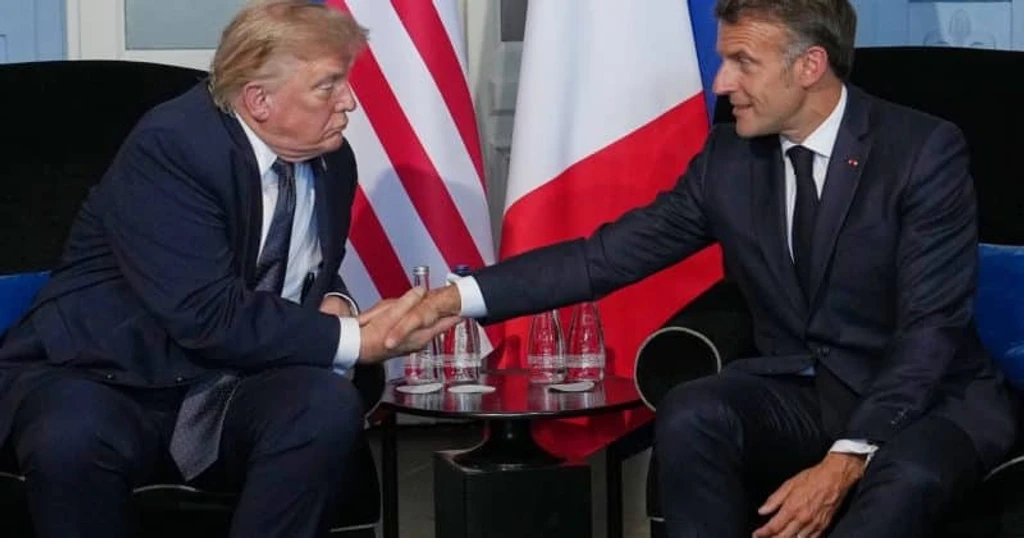
The G7 summit in Évian-les-Bains, France, has produced a formal peace framework between the United States and Iran, centering on the full reopening of the Strait of Hormuz. The narrow waterway handles roughly one-fifth of the world’s oil supply.
The memorandum of understanding, scheduled for formal signing on June 19, 2026, in Geneva, outlines a 60-day ceasefire for further nuclear negotiations. It includes the lifting of the US naval blockade and explicit assurances from Iran that it will not pursue nuclear weapon development. French President Emmanuel Macron and other G7 leaders are now coordinating logistics like mine clearance to secure the Gulf.
Financial analysts are tracking an unusual detail from the negotiations. Iran previously demanded that transit fees for the strait be payable in digital assets. If such a provision survived, it could create consistent, institutional-grade demand for tokens like Tether, establishing a precedent for nations under sanctions pressure.