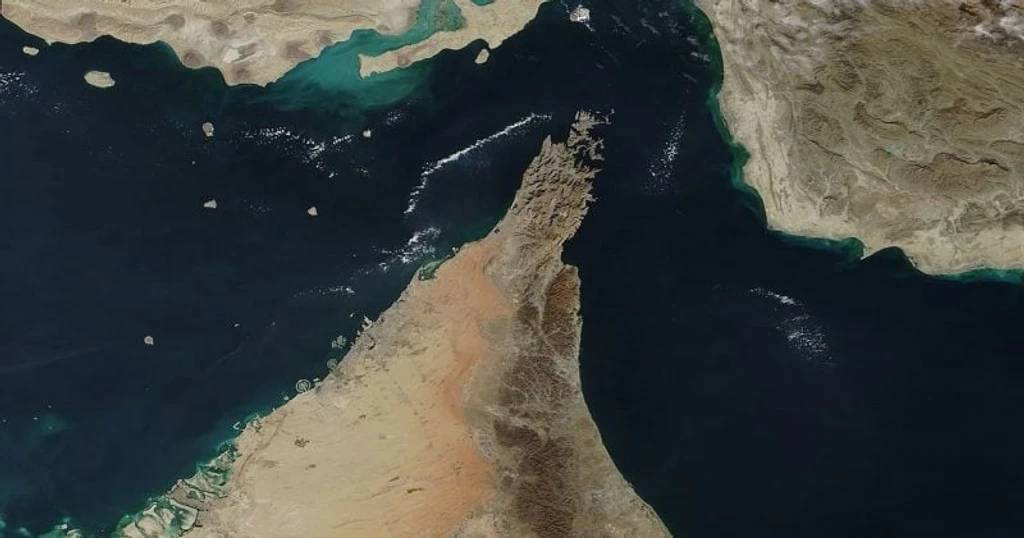
Israel's energy minister has proposed a $10 billion oil pipeline corridor designed to bypass the strategically critical Strait of Hormuz. The plan would create a new route transporting crude oil from the Persian Gulf, across Jordan, to Israel's port of Eilat. From there, it would connect to the existing Eilat-Ashkelon pipeline for delivery to the Mediterranean coast.
This initiative is a direct response to the near-total closure of the Strait of Hormuz, which has severely disrupted global oil supplies. The proposed pipeline's initial capacity is projected at one to two million barrels per day, with room for future expansion. This volume could eventually handle up to 15% of the strait's normal traffic.
The geopolitical and market implications are significant. Observers are watching for responses from key regional actors, including Saudi Arabia and Iran. Any progress on the pipeline could signal eased geopolitical tensions, potentially affecting global oil prices and supply dynamics. Developments from OPEC+ and the International Energy Agency regarding production adjustments will also be influential.