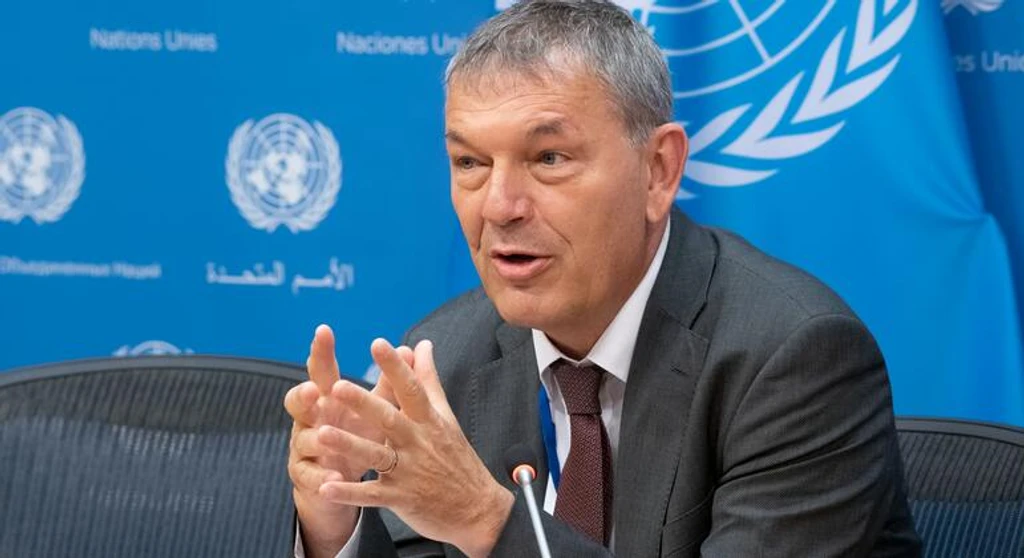
“No doubt that I have mixed feelings today,” said Philippe Lazzarini, Commissioner-General of UNRWA. “Bitterness, because I have witnessed extraordinary breaches of international law… sadness, because nearly 400 of our colleagues have been killed - a record in UN history.”
Lazzarini, a 62-year-old Swiss national, has led UNRWA through intense scrutiny following allegations of staff ties to Hamas after the October 2023 attacks. A UN probe found insufficient evidence in most cases.
One image haunts him still: a young girl in Rafah, begging for bread and water in what used to be her school. “The school should be a place of joy,” he said. “Instead, it became a shelter of misery.”
Though a ceasefire exists, Lazzarini insists it is nominal. People continue dying from disease, hunger, and exposure in the rubble.
He dismissed claims that another agency could replace UNRWA. “There is no existing alternative,” he said, citing unmatched reach in public health and education. Funding shortfalls and infrastructure damage severely limit operations.
UNRWA faces existential threats. “We may soon no longer be viable,” Lazzarini warned. Political attacks, he argues, risk undermining all UN agencies. Similar narratives are emerging in Lebanon.
In the West Bank, Israeli settler violence and demolitions - including at UNRWA HQ in East Jerusalem - signal what he calls a “silent war.”
Despite outward calm in Geneva, Lazzarini admits to enduring “extreme pressure.” He looks forward to reuniting with his family and chronicling his tenure - one shaped by war, diplomacy, and dwindling hope.