Officials warned Germany is insufficiently prepared for extreme heat just before a blistering heatwave brought transport to a standstill. The DWD German Weather Service provisionally measured temperatures reaching 41.7°C in a rural settlement in Brandenburg.
Tropical nights, where the temperature never drops below 20°C, swept the country, offering little relief.
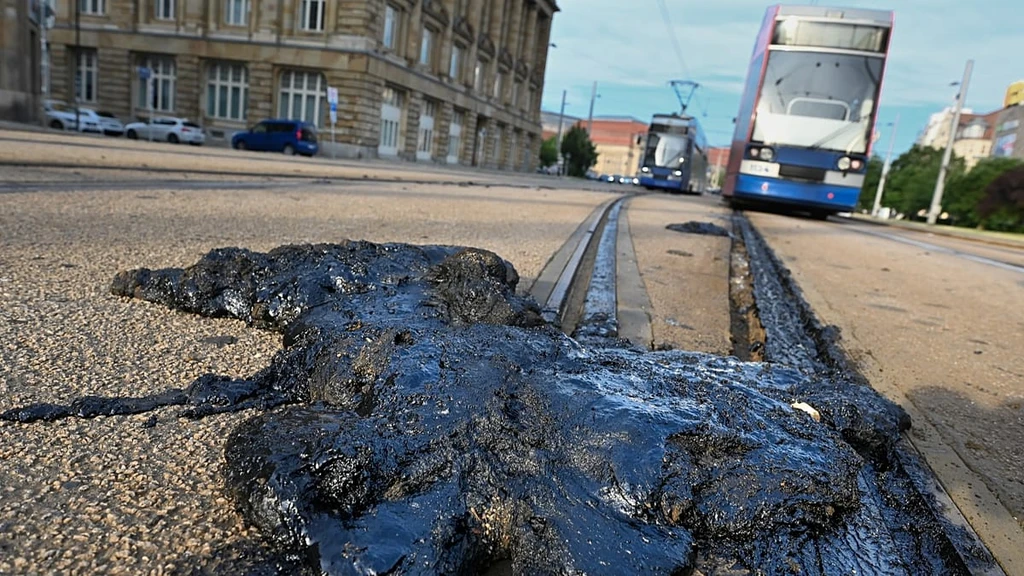
Large stretches of the motorway in Brandenburg and Saxony-Anhalt remain closed due to heat-damaged road surfaces. In Leipzig, asphalt melted directly above tram tracks, halting busy routes.
The German Medical Association states heat protection must become a mandatory part of crisis preparedness. Susanne Johna, chair of the Marburg Association, noted only a third of hospitals have air-conditioned patient rooms besides intensive care units. In France, emergency rooms reported a fourfold increase in heat-related visits.
An analysis found the daytime highs and overnight temperatures would have been virtually impossible 50 years ago. Extreme weather researcher Dr. Theodore Keeping stated, 'Continued fossil-fuel emissions are directly responsible for the disruption people are experiencing.'