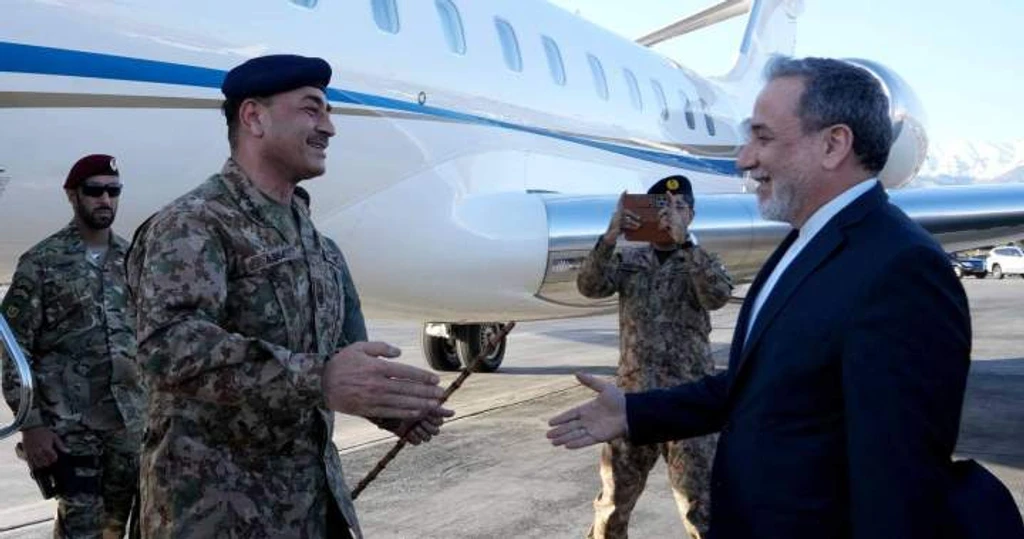
Pakistan’s army chief is in Tehran to discuss extending a ceasefire that paused a nearly seven-week war between Iran, the U.S., and Israel. The outcome of this diplomacy remains uncertain as the two-week truce passes its midpoint.
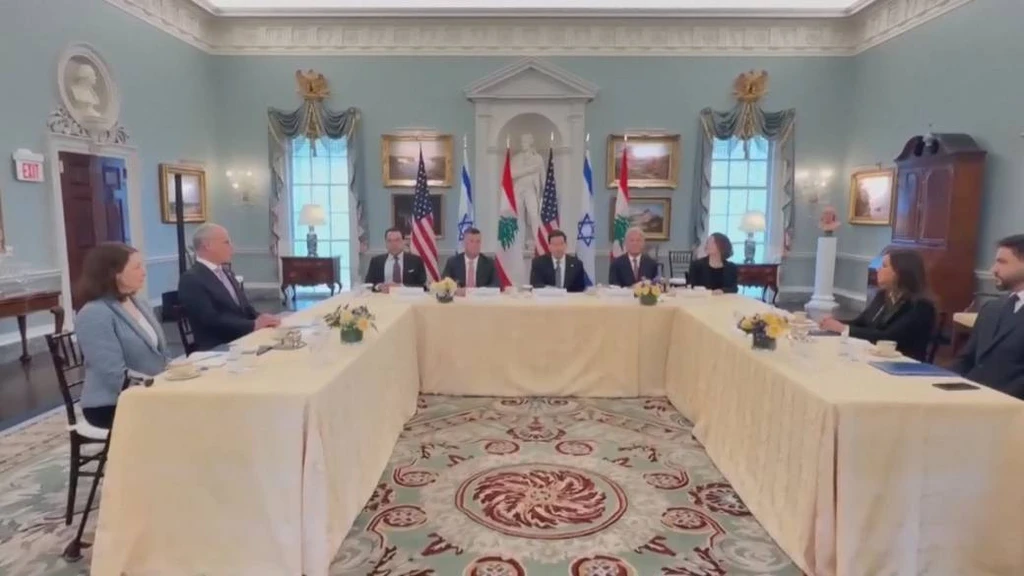
The conflict has resulted in thousands of casualties and significantly disrupted global oil markets. The meeting coincides with announcements of potential talks between the leaders of Israel and Lebanon, aiming to halt their separate conflict.
Pakistan has become a key mediator, having previously hosted talks that helped reduce differences between the U.S. and Iran. Mediators are pushing for a new agreement before the current ceasefire expires next week.
The war's impact has rattled global markets, with oil prices falling on hopes of an end to hostilities and U.S. stocks reaching record highs.
Meanwhile, Israel and Hezbollah continue cross-border exchanges. Lebanon's President Aoun stated that Israeli troop withdrawal from southern Lebanon is essential for a ceasefire. Israel aims to establish a "security zone" extending several miles into Lebanon.
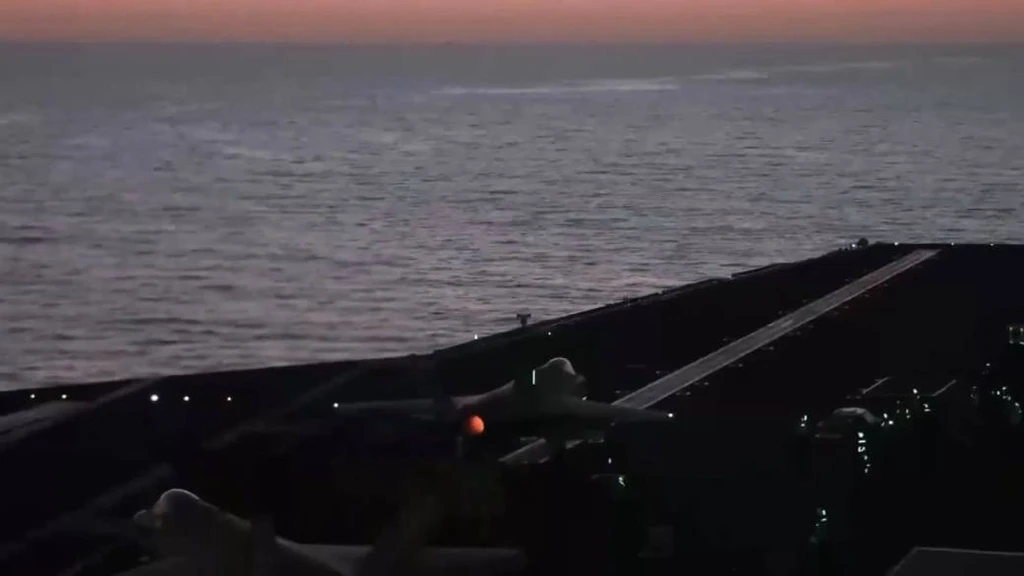
Despite a U.S. naval blockade on Iranian ports and Iranian threats, regional officials report progress towards an "in-principle agreement" to extend the ceasefire. However, tensions persist, with Iranian officials warning of trade disruptions if the blockade is not lifted.
Key sticking points in negotiations include Iran's nuclear program, the Strait of Hormuz, and compensation for wartime damages. Iran remains open to discussing uranium enrichment levels based on its needs.
The U.S. Treasury is preparing new sanctions on countries trading with Iran, termed the "financial equivalent" of a bombing campaign.
China's Foreign Minister has called the situation a critical juncture and stressed respect for Iran's sovereignty and security, while ensuring freedom of navigation through the Strait of Hormuz. Iran's curtailment of maritime traffic through the strait has caused oil prices to skyrocket globally.