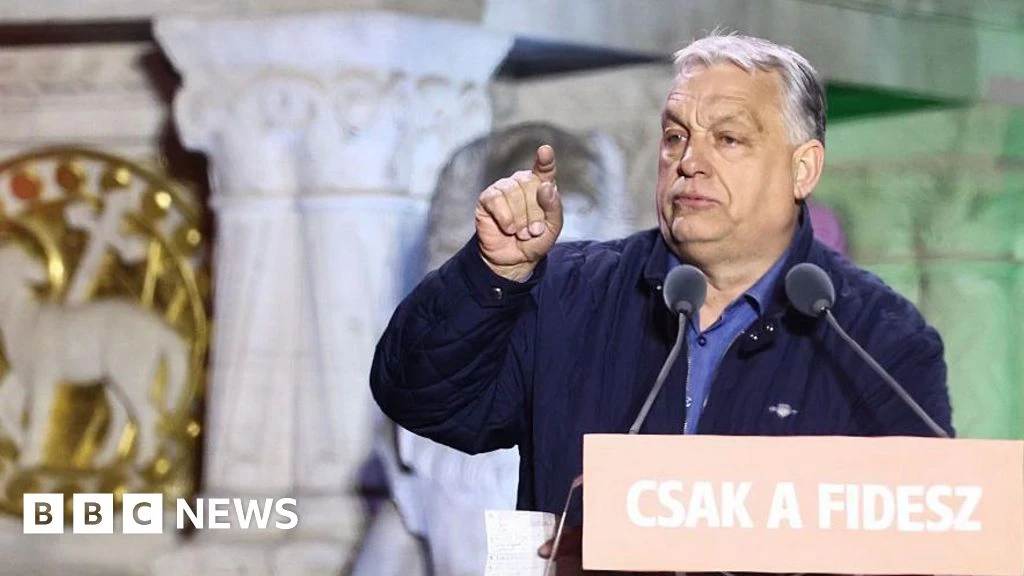
Hungarians are voting in an election that could end Prime Minister Viktor Orbán's 16-year tenure, with significant implications for Europe, the US, and Russia.
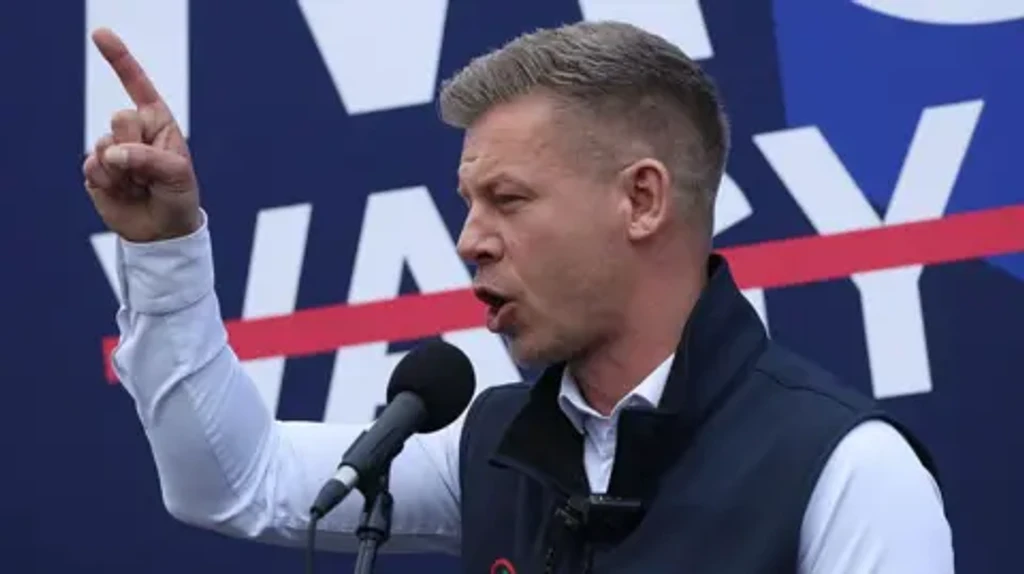
Péter Magyar, who formed a new party after splitting from Orbán's Fidesz, is favored by most polls. Magyar promises "a change of regime," a recalibration of ties with the European Union, and an end to Hungary's close relationship with Russia. His rallies have drawn larger crowds than Orbán's.
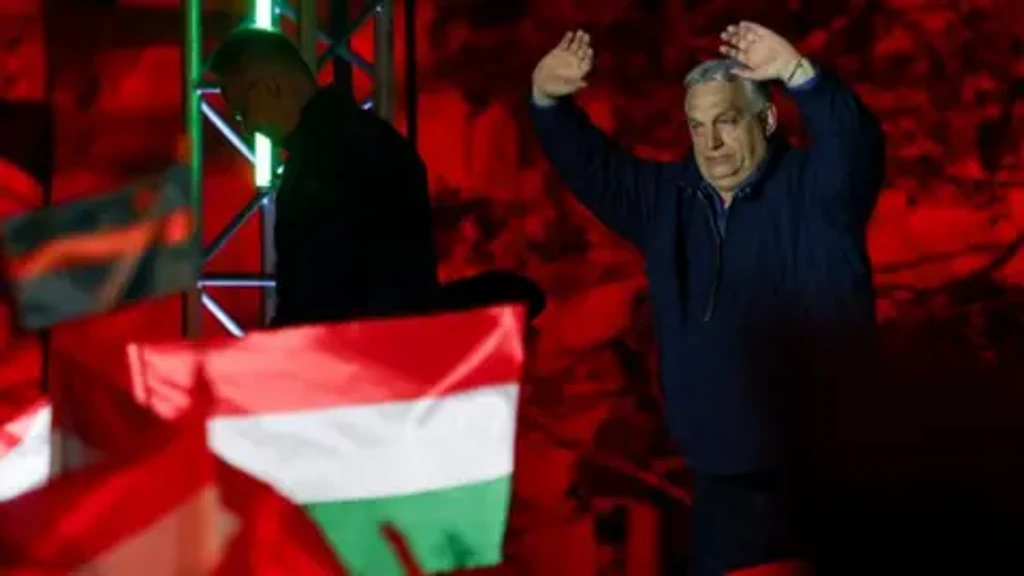
Orbán, however, remains defiant, campaigning on themes of challenging Brussels and Ukraine. He stated, "We don't give our children, we don't give our weapons and we don't give our money." Orbán has also received support from former US President Donald Trump.
Despite Orbán's claims of an impending "victory," economic struggles and recent scandals have impacted his standing. Hungary's position within NATO and the EU has been strained by Orbán's vetoes on aid to Ukraine. Pollsters indicate a strong lead for Magyar's Tisza party, suggesting a potential shift in Hungary's political landscape. The election's outcome will determine if Hungary pivots towards closer EU integration or continues its current trajectory.