The global energy crisis, exacerbated by geopolitical conflicts, is pushing European nations to accelerate their shift to renewable energy. Spain, France, and Portugal are leading this charge, aiming to lower energy bills and meet emission reduction targets.
Experts warn of the largest energy crisis ever faced, with disruptions to supply chains and rising costs impacting economies. Renewables are now seen as the most reliable and cheapest solution to insulate against these energy shocks.
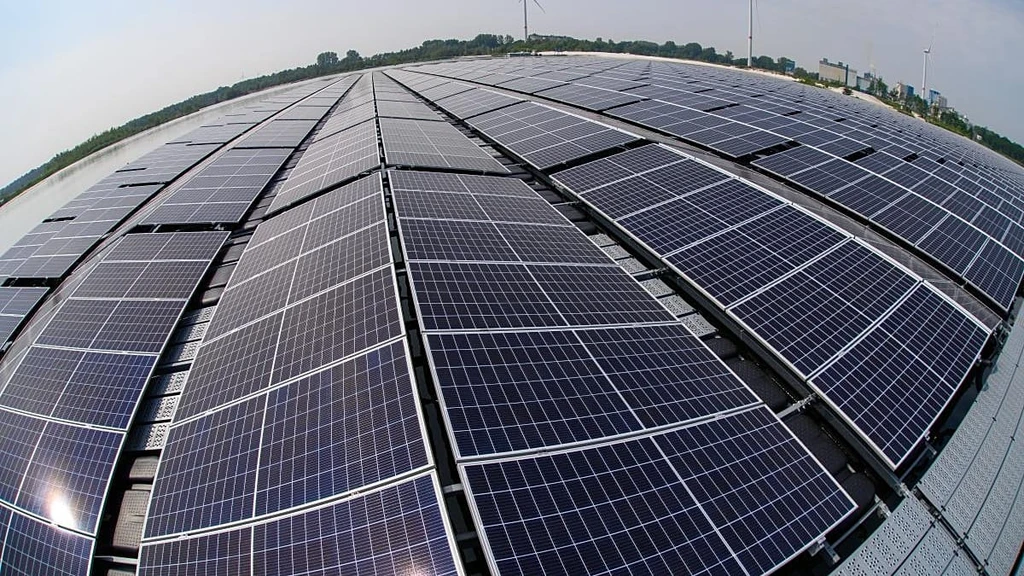
Spain has significantly boosted its solar capacity, doubling it between 2019 and 2026. This foresight has kept electricity bills among the lowest in Europe. New government decrees aim to accelerate electrification, renewable deployment, and storage by removing red tape and improving grid infrastructure.
France is mandating an end to gas boilers in new buildings by 2027 and investing €10 billion to promote electrification, including the installation of one million heat pumps annually. Prime Minister Sebastien Lecornu stated that dependence on imported fossil fuels leads to paying for "other people's wars."
Portugal, with a high reliance on renewables for its electricity, has pledged to temporarily cap electricity prices if they surge by more than 70% or exceed €180 per megawatt-hour.
Poland is committing PLN 1 trillion over the next decade to energy infrastructure, with a substantial portion dedicated to renewable energy and storage, aiming to reduce its heavy reliance on coal, oil, and gas.