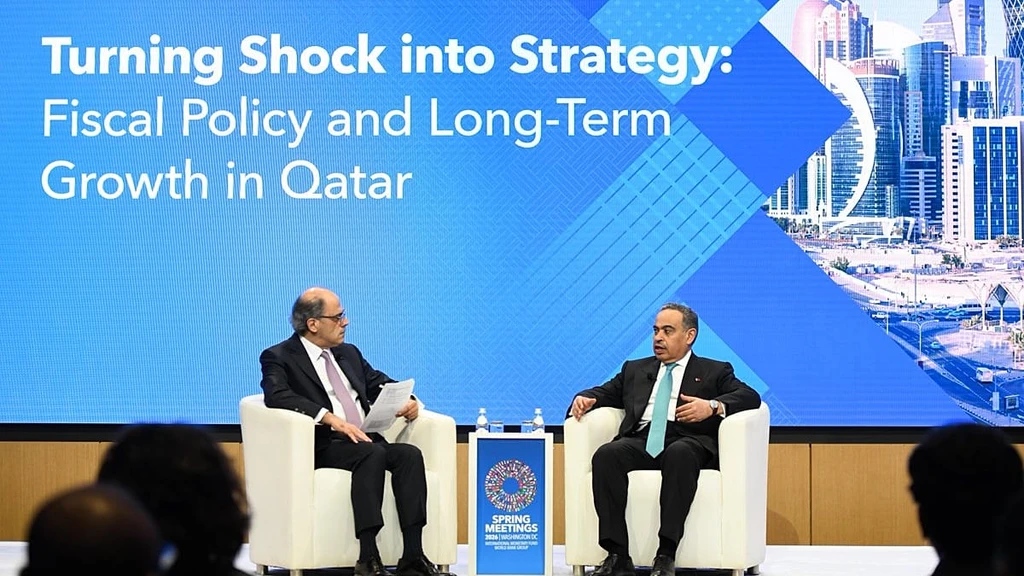
Qatar's Finance Minister, Ali bin Ahmed Al Kuwari, is issuing a dire warning about the global economy, projecting a significantly deeper shock in the coming months if tensions in the Strait of Hormuz continue to escalate. He described the current energy crisis as merely "the tip of the iceberg."
Al Kuwari stated at the IMF Spring Meetings that the full impact could be felt within two months if the vital waterway remains disrupted. The crisis is anticipated to shift from rising prices to actual shortages of energy and critical commodities, impacting global fertilizer trade, healthcare supplies, and semiconductor manufacturing.
The Strait of Hormuz, through which approximately one-fifth of global energy supplies pass, has seen disrupted shipping flows due to conflict and uncertainty over safe passage. International bodies caution that prolonged disruption risks pushing the global economy toward recession.
Domestically, Qatar's Ras Laffan liquefied natural gas facility, a major global supplier, sustained significant damage, impacting 17% of its export capacity. While repairs may take up to five years, Qatar maintains sufficient financial buffers and sovereign reserves to absorb immediate impacts and provide targeted support to affected domestic sectors.