Regional mediators are scrambling to revive U.S.-Iran diplomacy after the most intense flare-up since the mid-June ceasefire. The fighting, sparked by Iranian attacks on commercial tankers in the Strait of Hormuz, saw the U.S. launch over 170 strikes on Iran, prompting retaliatory missile attacks on Gulf allies.
Iranian Foreign Minister Abbas Araghchi has held a flurry of calls with counterparts in Oman, Turkey, Pakistan, and Saudi Arabia to discuss preventing further escalation. Qatar and other nations are also working to bring the sides back to the negotiating table.
Despite the violence, shipping through the vital Strait of Hormuz remains significantly reduced. While the U.S. insists Iran does not control the waterway, traffic is far below pre-war levels and analysts say volatility will persist without a wider peace deal.
President Trump, who views the tanker attacks as terrorism, spoke with Israeli Prime Minister Benjamin Netanyahu about the situation. The U.S. maintains its position that Iran cannot have a nuclear weapon, and while the ceasefire is technically over, some technical talks continue.
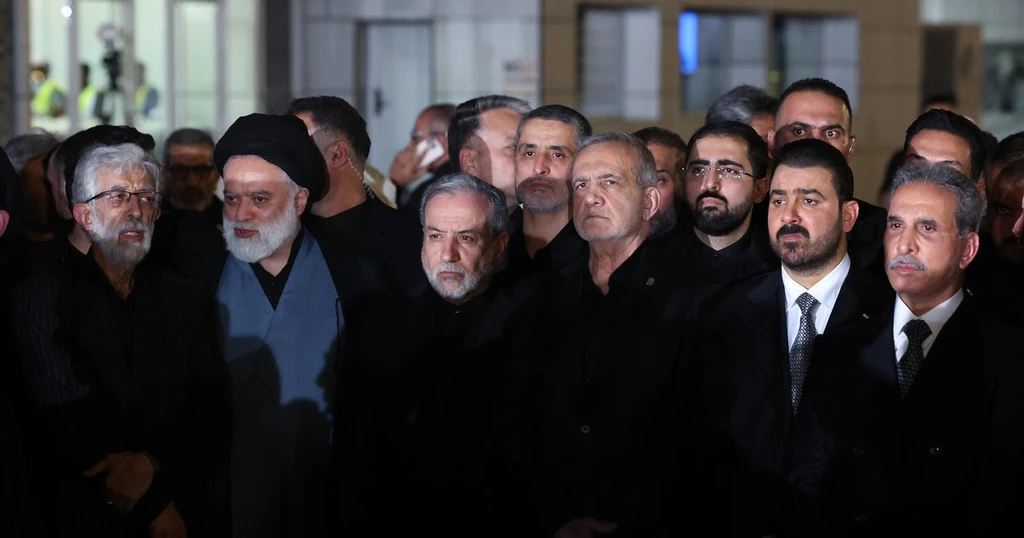
Meanwhile, Iran laid to rest former Supreme Leader Ayatollah Ali Khamenei in Mashhad. His eldest son oversaw the funeral ceremony.