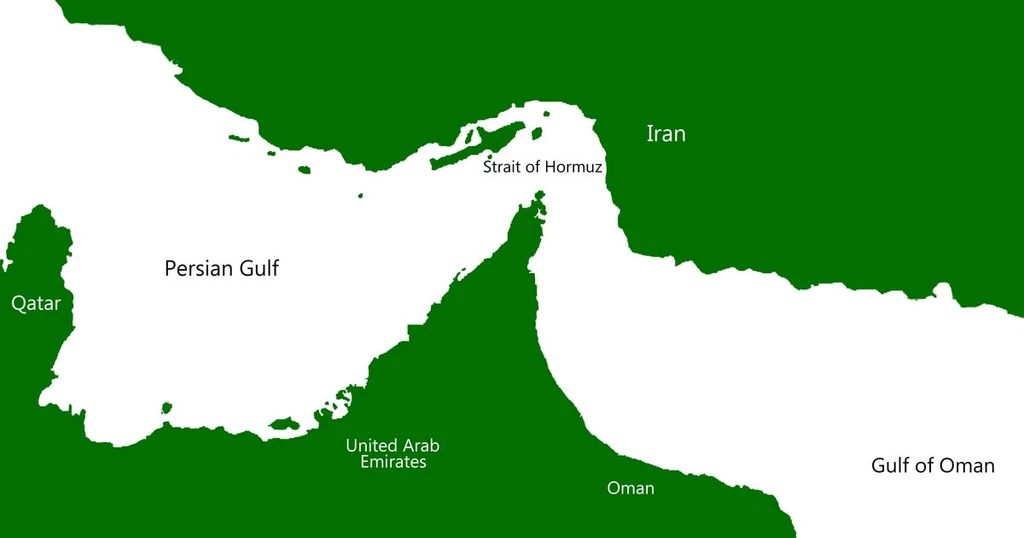
Washington - The Trump administration is pursuing a multi-pronged strategy to force Iran to reopen the Strait of Hormuz, a corridor handling 20% of the world's oil. Despite airstrikes, naval blockades, and negotiations, experts say achieving prewar traffic levels will be far more difficult than anticipated.
The core challenge is Iran's decades of preparation for asymmetric conflict. Tehran's military can target vessels with drones and missiles hidden across a vast territory. Its decentralized units operate without direct orders from the capital, making targeted strikes less effective.
"Iran has been preparing for this type of asymmetric conflict for decades now," said Jason H. Campbell, a senior fellow at the Middle East Institute. "They have the ability to completely disrupt the Strait."
The U.S. has reinstated a blockade and proposed running the strait with a 20% fee on cargo. However, securing the waterway fully would likely require tens of thousands of ground troops to clear hidden weapons and hold territory, a costly and politically risky endeavor.
An alternative is a massive naval escort operation, but the U.S. fleet is smaller than in the 1980s. Iran's advanced drone and missile capabilities make such an effort dangerous. Even Iran's threats alone, broadcast over marine radio, are enough to scare off commercial shipping.
Experts note that while the Trump administration promised military escorts, the political risk tolerance for such a large commitment has been lacking. The situation remains a strategic stalemate with significant economic and political consequences.