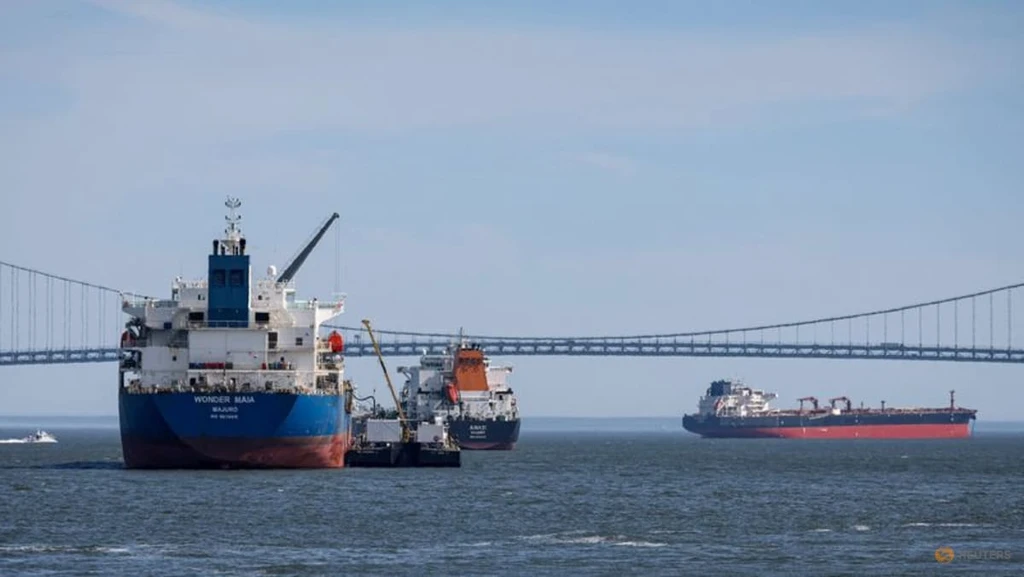
The United States is approaching a historic milestone, nearing net crude exporter status for the first time since World War Two. Last week, U.S. crude shipments surged to meet demand from Asian and European buyers seeking alternatives to Middle East supplies disrupted by the Iran conflict.
The conflict triggered significant global energy market instability, with Iranian threats impacting oil and gas transit through the Strait of Hormuz. This disruption has led refiners in Asia and Europe to seek alternative oil sources, boosting demand for U.S. production.
Analysts indicate the U.S. is rapidly approaching its export capacity. Net crude oil imports narrowed to 66,000 barrels per day last week, the lowest on record. Exports climbed to 5.2 million barrels per day, the highest in seven months. The U.S. was last a net crude exporter in 1943.
Buyers in Europe and Asia are increasingly sourcing U.S. crude, with countries like Greece purchasing American oil for the first time. Approximately 47% of U.S. exports last week went to Europe, and 37% to Asia.
Rising benchmark Brent crude prices relative to U.S. West Texas Intermediate have made American crude more attractive internationally. The price difference between Brent and WTI widened significantly last month, incentivizing overseas refiners to purchase U.S. oil.
U.S. exports are projected to reach around 5.2 million barrels per day for April, pushing against existing export capacity limits. Challenges such as limited pipeline capacity, vessel availability, and higher freight rates could affect future export volumes.