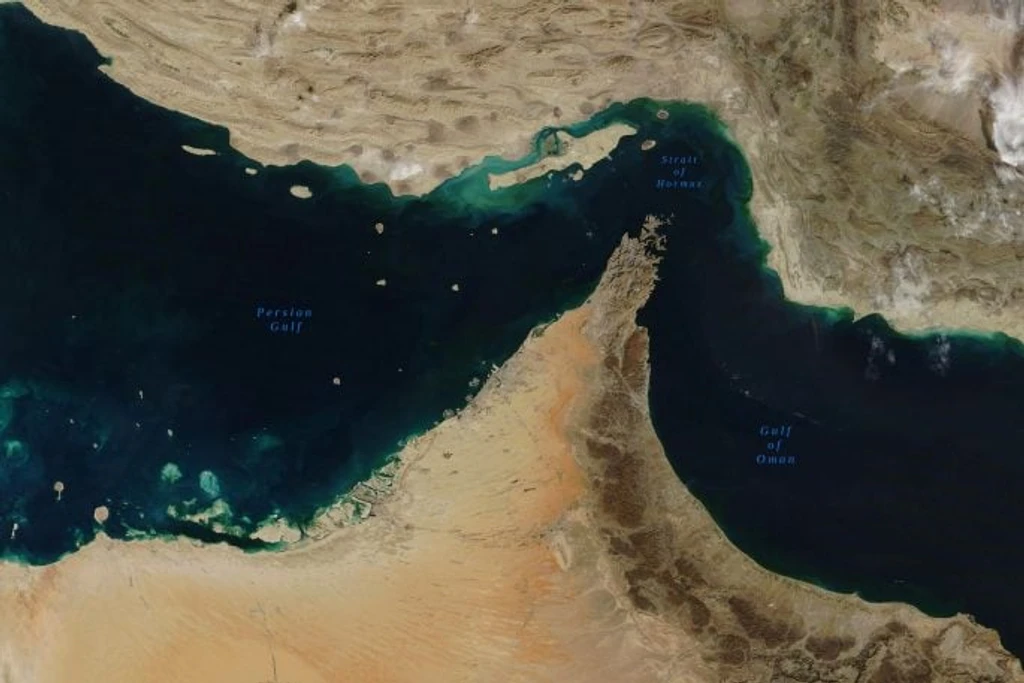
Iran has declared its new arrangements for managing the Strait of Hormuz will be permanent, a dramatic escalation in one of the world's most critical energy chokepoints. The strait, linking the Persian Gulf to the Gulf of Oman and the Arabian Sea, sees roughly 20% of global oil transit daily.
Tehran has established the Persian Gulf Strait Authority, shifting from temporary transit rules to an institutionalized framework for vessel authorization. This move signals long-term restrictions rather than short-term disruptions.
Markets are reacting swiftly. The probability of traffic returning to normal by June 15 dropped to 6.5% YES, down from 6% just 24 hours ago. Meanwhile, the likelihood of a U.S. military response-Trump's Project Freedom restarting by June 30-rose sharply to 27.5% YES, up from 22%.
Analysts say the change reduces chances of diplomatic resolution and increases odds of direct U.S.-Iran confrontation. Observers are now watching for U.S. naval deployments, Iranian leadership statements, and any movement in nuclear talks that could shift the strategic calculus.