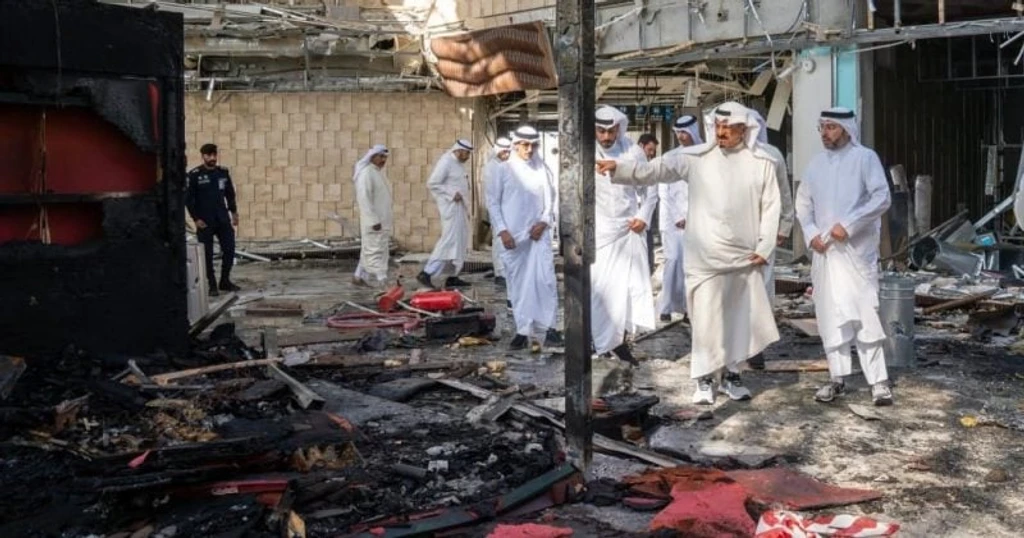
Kuwait is reportedly under attack by Iran, marking a significant escalation in the ongoing 2026 conflict involving Tehran, Washington, and Israel. The strike targets critical infrastructure, including the Ali Al Salem Air Base and Kuwait International Airport, both housing vital U.S. military installations.
The use of ballistic missiles and drones underscores the high-stakes nature of these engagements. Kuwait, a key U.S. partner in the Gulf, has previously faced Iranian aggression. Tensions are intensifying as Iran frames its actions as retaliatory strikes while allied forces engage in defensive operations.
This development significantly impacts prediction markets regarding regional stability. Confidence in the normalization of Strait of Hormuz traffic by July 31 has dropped to 31.5%, reflecting growing fears of prolonged disruption. Similarly, the likelihood of changes in control over Kharg Island has increased due to heightened military activity.
Observers are monitoring further developments in the Gulf, particularly any direct escalations between the U.S. and Iran. The response from Gulf states and international actors will heavily influence market perceptions of stability leading up to key resolution dates for territorial control and traffic normalization.