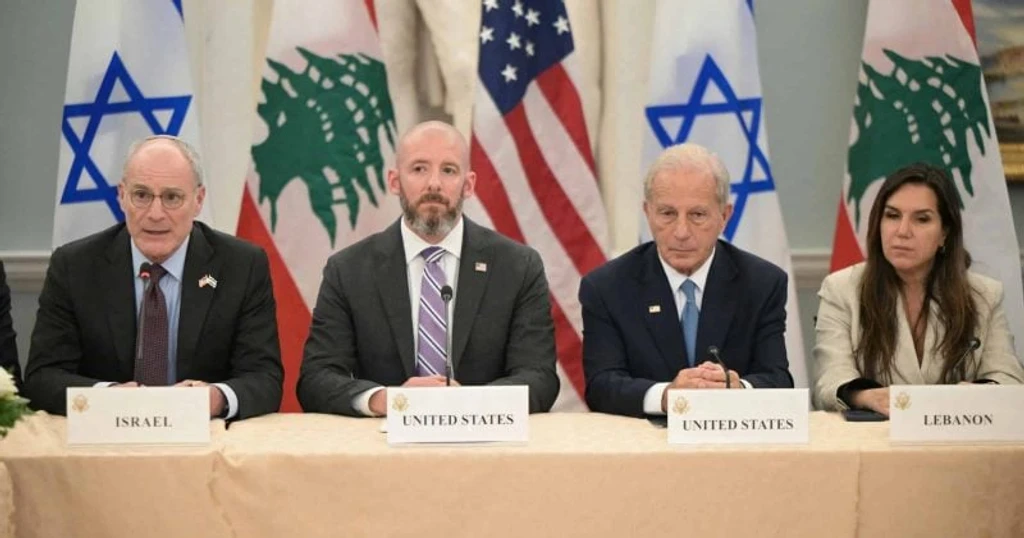
The United States announced on June 3 a historic ceasefire agreement between Israel and Lebanon, marking the first direct talks between the two nations in Washington in decades. The deal requires Hezbollah to cease all hostilities and withdraw its operatives south of the Litani River-a condition the group has historically resisted and reportedly rejected.
The Trump administration is not viewing this as an isolated peace deal but as a strategic lever to restart indirect nuclear negotiations with Iran, which had stalled primarily due to Israeli military operations in Lebanon.
This isn't the region's first truce attempt in 2026. A 10-day ceasefire began April 16, followed by a 45-day extension around May 15. The current agreement demands more than a temporary pause, requiring Hezbollah's complete withdrawal from southern Lebanon.
Market Impact
Bitcoin has acted as a barometer for regional tension throughout 2026. During April's truce optimism, Bitcoin rallied to $74,650. When hostilities resumed, it dropped below $80,000. During peak escalation, Bitcoin fell as low as $63,876.
Investor Outlook
The pessimistic scenario: If the ceasefire collapses as previous ones have, Bitcoin could test the $63,876 range seen during peak escalation. The more nuanced read centers on Hezbollah's compliance with the Litani River withdrawal. If the group partially complies through proxy forces, markets will need to decide whether this constitutes peace or a prelude to further conflict.