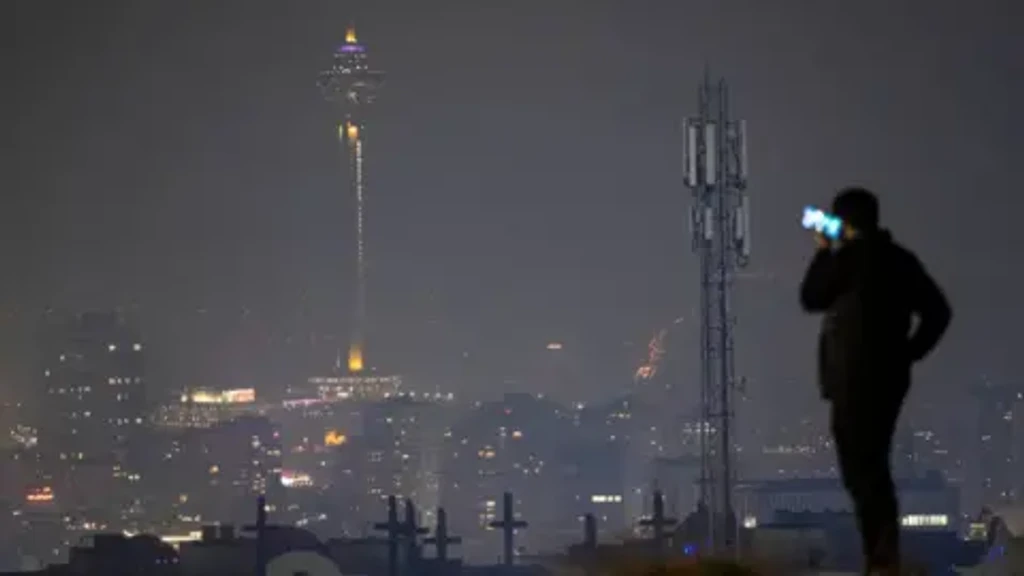
Iranians are bypassing wartime internet and phone blackouts using improvised technical workarounds. On the Iran-Turkey border, men operate relay call services: customers abroad WhatsApp a Turkish number, and the operator dials Iranian relatives via local mobile networks - holding two phones together to bridge the gap.
Calls rarely last beyond two or three minutes and cost £28 ($38) for four or five minutes - including steep money transfer fees.
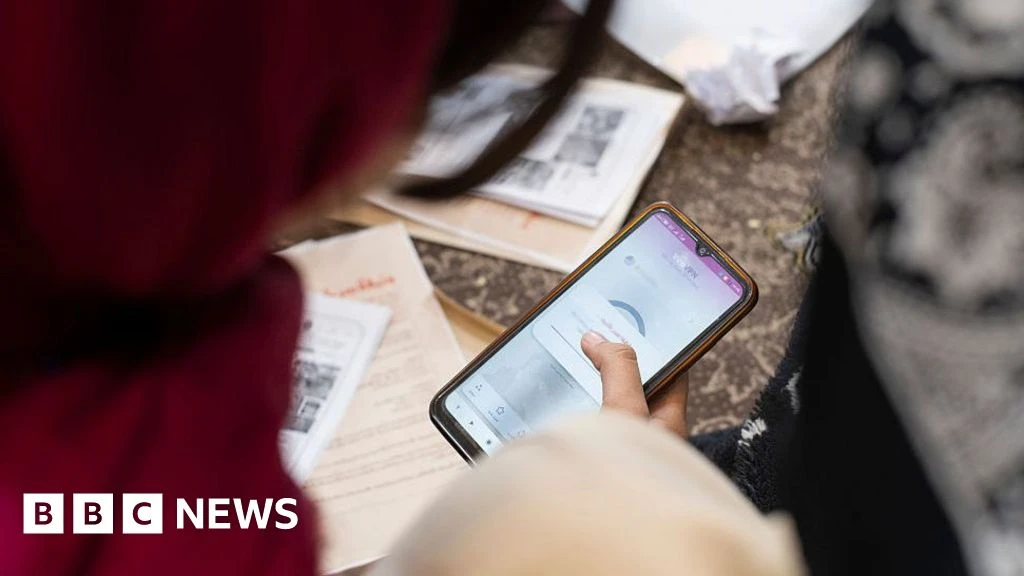
Inside Iran, virtual private networks (VPNs) remain critical but unstable. Users report VPN data priced at £15 ($20) per gigabyte - nearly one-fifth of Iran’s monthly minimum wage - with no refunds if connections drop.
Families rely on fragmented contact to share safety updates and uncensored war reporting. One Tehran resident describes his neighborhood as 'the hornet’s nest' - near an oil depot struck March 7 and the Ministry of Defence. Others report black rain from strikes and constant patrols.
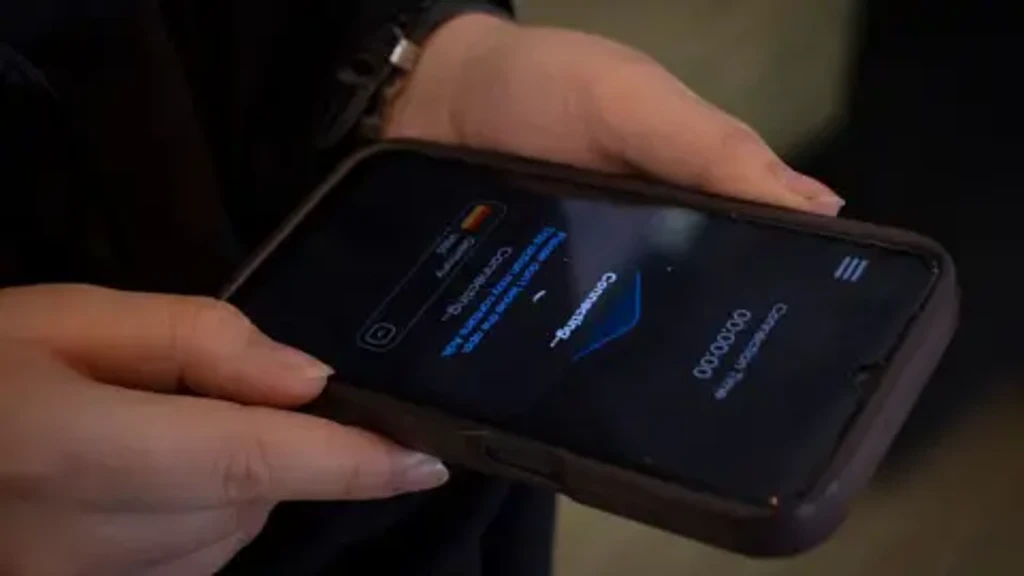
Tech access divides families: London-based Pooneh can only reach her sister, who navigates restrictions more adeptly. They exchange halves of the story - one side relaying ground truth, the other sharing external war coverage banned inside Iran.