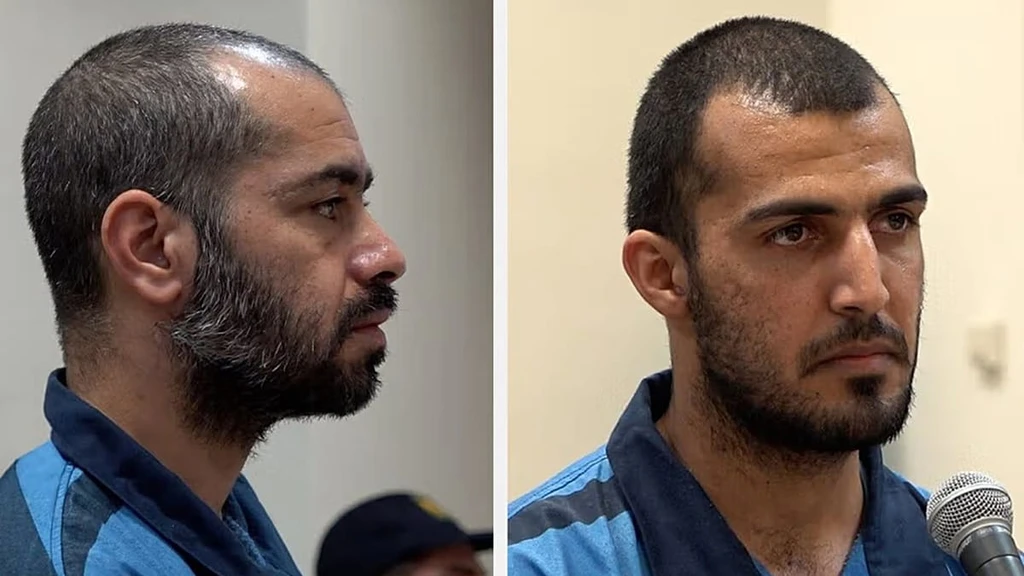
Iran executed two men on Monday after they were convicted of attacking a place of worship during the January protests, according to the judiciary-affiliated Mizan News Agency. Amnesty International reports at least 39 political executions have been carried out since the war began in February.
Mehrdad Mohammadi-Nia and Ashkan Maleki were executed after the Supreme Court upheld their sentences. Iranian authorities said they were among the main perpetrators of an attack on the Jafari Mosque in Tehran's Gisha neighborhood during protests that erupted in December 2025 and January 2026. The judiciary said the two were convicted of setting fire to the mosque, damaging public property, clashing with security forces, blocking roads, and activities against national security. Their assets were also confiscated. The specific capital charge was not stated.
The January protests began in late December 2025 following the collapse of the Iranian rial and rapidly spread to nearly all cities. Security forces killed thousands during a crackdown on January 8 and 9. Iran's Supreme Council of National Security acknowledged a death toll of more than 3,000. The UN Special Rapporteur put the figure at a minimum of 5,000, while humanitarian groups estimate it may have reached 42,000. The Islamic Republic imposed a strict internet blackout on January 8, making verification nearly impossible.
Amnesty International reported that authorities have arrested more than 6,000 people since the war began, including protesters, journalists, lawyers, and human rights defenders. The organization said authorities have accelerated prosecutions, including capital cases, and documented enforced disappearances, torture, forced confessions, and unfair trials. The 39 political executions figure covers those linked to the protests and the war, though Tehran's overall execution rate is far higher. Amnesty's latest annual report recorded at least 2,159 executions in Iran in 2025-the highest for any country and the majority of 2,700 executions worldwide that year. Human rights organizations also raised concerns about the treatment of detainees arrested during the January protests. Iran has consistently rejected international criticism, saying those executed were convicted of serious crimes following due process.