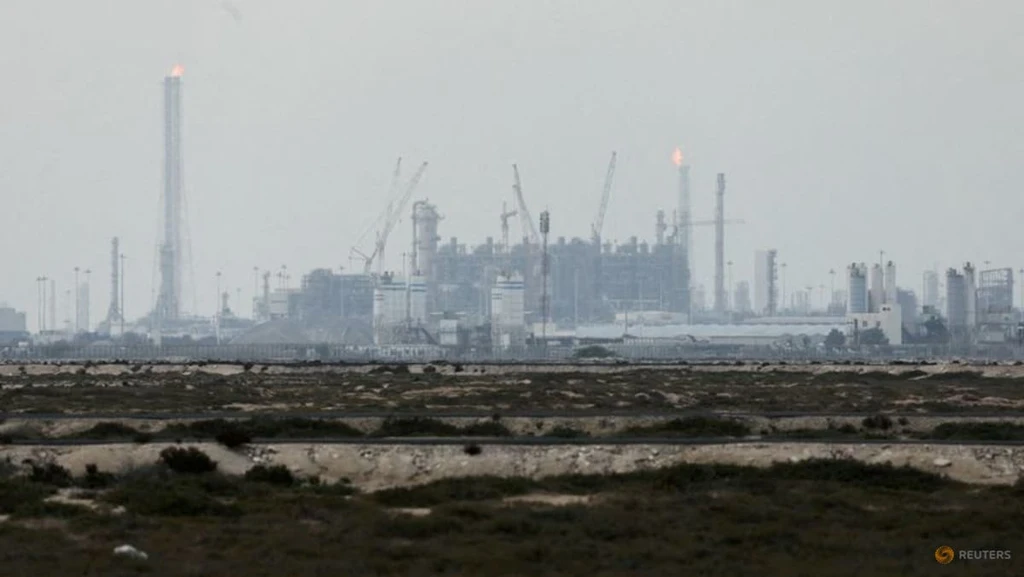
Iran launched coordinated attacks on March 18, 2026, targeting the world’s largest liquefied natural gas hub in Qatar, a Saudi refinery on the Red Sea, and two Kuwaiti oil facilities-retaliation for Israeli strikes on an Iranian gas field.
QatarEnergy's LNG facilities in Ras Laffan Industrial City stand at the epicenter of regional energy disruption.
Tehran’s strategy has two objectives: first, to economically pressure Gulf states-whose governments rely heavily on hydrocarbon revenues-to scale back support for U.S. military operations; second, to drive up global energy prices and fuel domestic discontent in America ahead of the November midterms.
Brent crude has surged from $68 to nearly $100 per barrel since late February, largely due to disruptions in the Strait of Hormuz. Goldman Sachs estimates Qatar and Kuwait could see GDP drop 14% if the conflict persists through April.
With U.S. gasoline averaging $3.60 per gallon-the highest since Russia’s 2022 Ukraine invasion-Iran calculates that economic pain will erode American public support for continued military engagement, potentially forcing a strategic retreat.