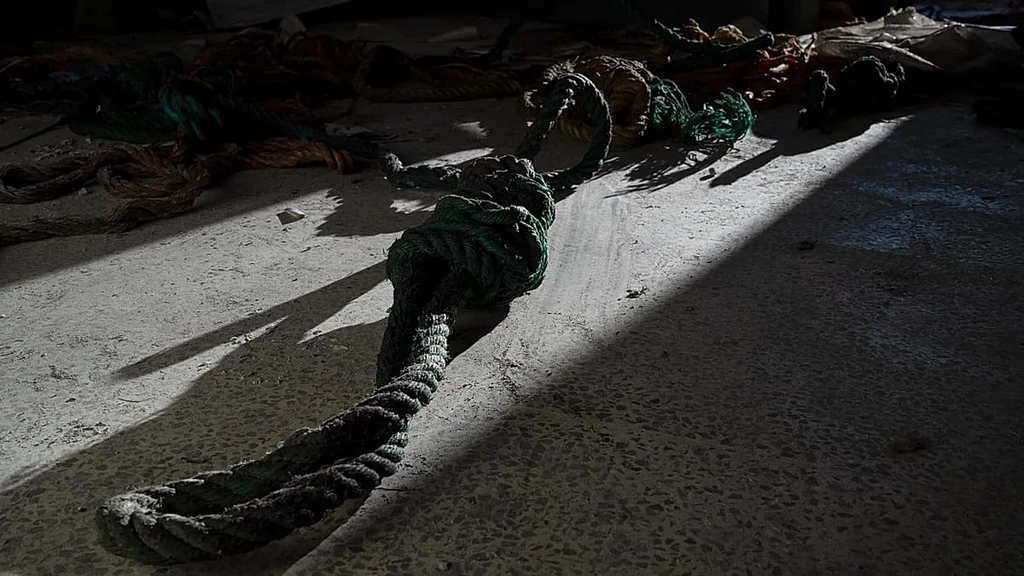
Iranian authorities executed a minimum of 1,639 individuals in 2025, marking a staggering 68% increase from the previous year, according to a joint report by Norway-based Iran Human Rights (IHR) and Paris-based Together Against the Death Penalty (ECPM).
The reported figure, which includes 48 women, represents the highest number of executions since IHR began tracking data in 2008 and the most since 1989. Experts warn that if Iran's regime endures current geopolitical crises, executions could be employed even more extensively as a tool of oppression.
Human rights advocates are urging Western nations to prioritize the abolition of capital punishment in any negotiations or deals with Tehran. "Be strong, put the death penalty in all the deals," stated ECPM's executive director, Raphael Chenuil-Hazan. IHR director Mahmood Amiry-Moghaddam expressed dismay over the lack of focus on Iranian people's rights in recent US-Iran talks.
Hundreds of protesters arrested during January 2026 demonstrations remain at risk of capital punishment. Even during periods of conflict, Iran has carried out executions, including those charged with membership in banned opposition groups and spying for Israel. Amiry-Moghaddam indicated that several hundred more individuals face charges that could result in execution.
The number of women executed in 2025 reached 48, a 55% increase from 2024, with 21 executed for offenses related to their husbands or fiancés. Public hangings also more than tripled to 11. Approximately half of those executed were convicted of drug-related offenses.
Rights groups suggest Iran carries out the most executions per capita globally, possibly surpassing China. The full extent of executions may be higher than reported due to sourcing complexities and an internet blackout imposed during recent protests and conflict.