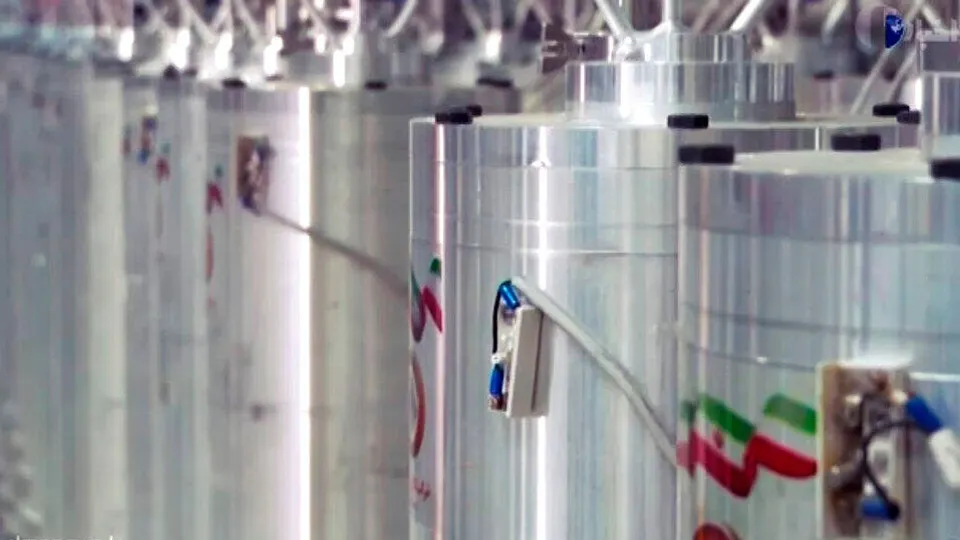
President Trump is confronting Iran over its nuclear program, demanding it curtail development or face potential military action. Iran denies nuclear weapons ambitions but has amassed significant stockpiles of uranium enriched to near weapons-grade purity.
Recent estimates indicate Iran has enriched substantial amounts of uranium to 60% purity, a short step from the 90% needed for a bomb. U.S. intelligence suggests Iran could produce enough weapons-grade uranium for a bomb in under a week if it chose to, with a device potentially taking three to eight months to build.
However, it remains unclear if Iran has decided to pursue a nuclear weapon. Intelligence assessments suggest the program was halted in 2003 and has not restarted, though Iran's recent activities have positioned it to produce weapons if it decides to do so. The IAEA has not seen indications of Iran actively developing a nuclear weapon, with its director noting a willingness on both sides to reach an agreement.
Last June's U.S. airstrikes targeted key Iranian nuclear facilities, including Fordo and Natanz. While the strikes caused "severe damage," they did not "total damage," and Iran's nuclear material remains accessible. Satellite images show efforts to salvage materials at damaged sites. Following the strikes, Iran suspended cooperation with the IAEA, though some inspections have resumed.
Iran's nuclear program has a long history, with research dating back decades. International pressure intensified in 2002 with allegations of secret facilities. The IAEA stated Iran had a "structured program" for activities relevant to nuclear weapons development until 2003. Sanctions followed years of resumed uranium enrichment.
The 2015 Joint Comprehensive Plan of Action (JCPOA) limited Iran's program in exchange for sanctions relief. The U.S. withdrew from the deal in 2018 under President Trump, imposing "maximum pressure" sanctions. Efforts to revive the deal have failed, leading Iran to ramp up its uranium enrichment program significantly.