U.S. President Donald Trump issued a 48-hour ultimatum on Saturday, threatening to obliterate Iran’s power plants if the country does not fully open the Strait of Hormuz. In response, Iran vowed to strike energy and water infrastructure across the Gulf region, warning of irreversible damage.
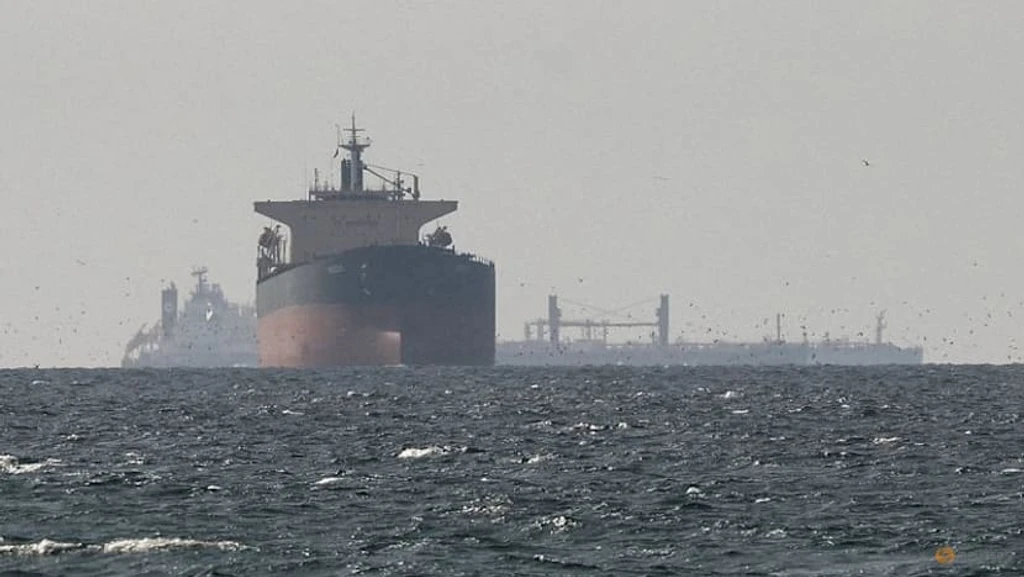
The Strait of Hormuz, through which a fifth of global oil and LNG passes, remains effectively closed, triggering the worst oil crisis since the 1970s. European gas prices surged up to 35% last week as a result.
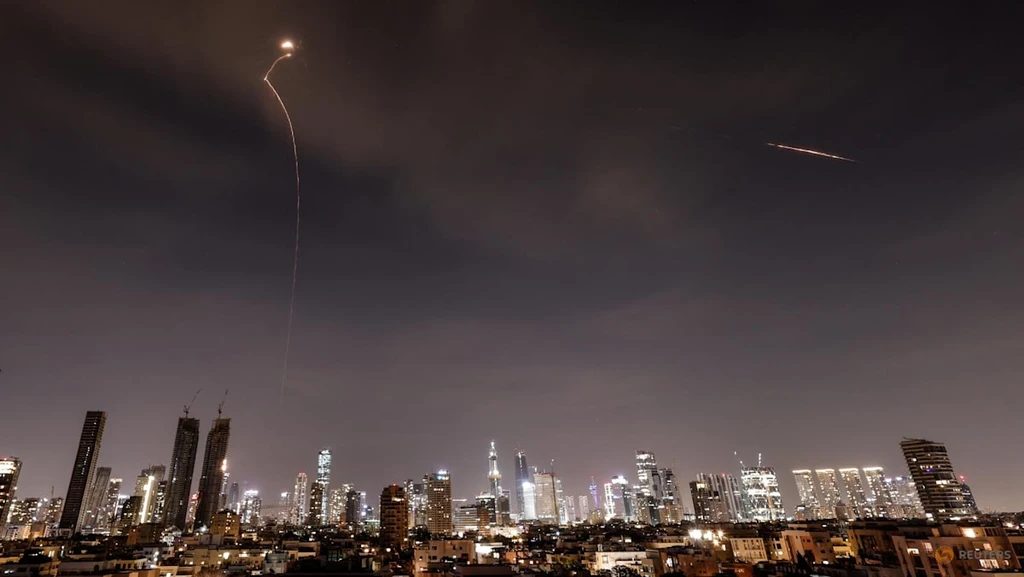
Air raid sirens sounded across Israel amid incoming missile threats from Iran, following strikes on southern towns Arad and Dimona. Israeli forces retaliated by striking Tehran.
Iranian long-range ballistic missiles, with a 4,000km range, have now targeted a U.S.-British military base in the Indian Ocean, expanding regional risk. Iranian attacks also struck near Israel’s nuclear reactor in Dimona.
The conflict, now involving Hezbollah in Lebanon, has killed over 2,000 people. More than 1,000 have died in Lebanon alone since March 2. Israel has accelerated demolitions in frontline villages and destroyed bridges over the Litani River.
Markets face further turbulence as oil prices hit a four-year high. Analysts warn of a 'ticking time bomb' of uncertainty when global markets reopen.
Cargo ships remain stranded near the Strait of Hormuz, with only select vessels like Indian-flagged ships and a Pakistani tanker granted safe passage. The majority are still holed up.