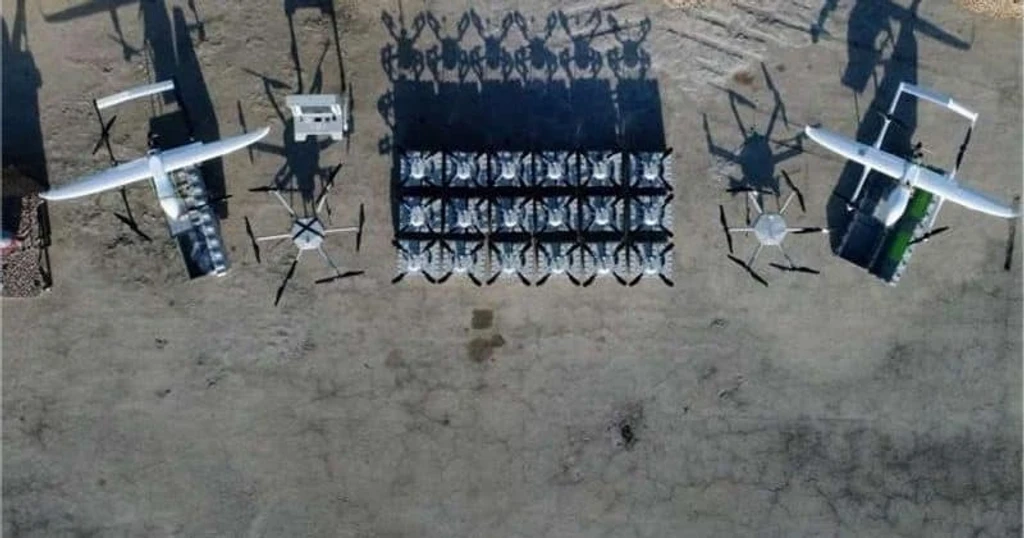
Iranian President Masoud Pezeshkian has confirmed the allocation of 20 million barrels of state-owned oil to the Islamic Revolutionary Guard Corps (IRGC) air force.
Iran’s funding of the IRGC through oil revenues is longstanding, but this scale and timing are unprecedented. The 2025/2026 fiscal budget, effective from March 21, significantly ramps up military spending, with defense initiatives three times higher than the previous year. About $12.4 billion, one-third of projected oil export revenues, is designated for military projects.
The government supplies oil at a subsidized rate of approximately 600,000 rials per euro, compared to a market rate of 1.14 million rials. This allows the IRGC to maximize revenue from oil exports, with significant shipments reportedly departing Iranian ports, including 20 million barrels from Chabahar in one week.
Iran’s system for funding the IRGC includes direct crude allocations and shadow fleet exports predominantly to China. The Strait of Hormuz, through which a fifth of the world’s oil supply passes, remains a strategic point, with any escalations potentially impacting global crude prices.
For energy market investors, the implications are significant. Iran's capability to fund defense through oil exports suggests that economic pressures from Western nations may not be as effective as presumed. Changes in US sanctions enforcement and the status of Iranian exports will be crucial to watch, as they could influence global oil prices.