The Indian government is proposing significant changes to its IT rules, aiming to regulate a broader range of online news and political content. The amendments would extend existing frameworks to influencers, podcasters, and other "users who are not publishers" sharing news-related content on platforms like Facebook, YouTube, and X.
Experts warn these changes could grant the government more power over news-related posts by ordinary users, including independent journalists. Social media platforms may be required to comply with government orders to retain "safe harbour" legal immunity. Digital rights activists and creators express alarm, fearing the rules could lead to near-total state-led censorship and be used to target critics.
The government maintains the amendments will combat fake news, hate speech, and deepfakes, inviting public feedback. However, critics remain skeptical, citing a climate of fear and increasing self-censorship. YouTube creator Akash Banerjee notes that despite existing regulations, hate speech persists, while government-critical content faces removal.
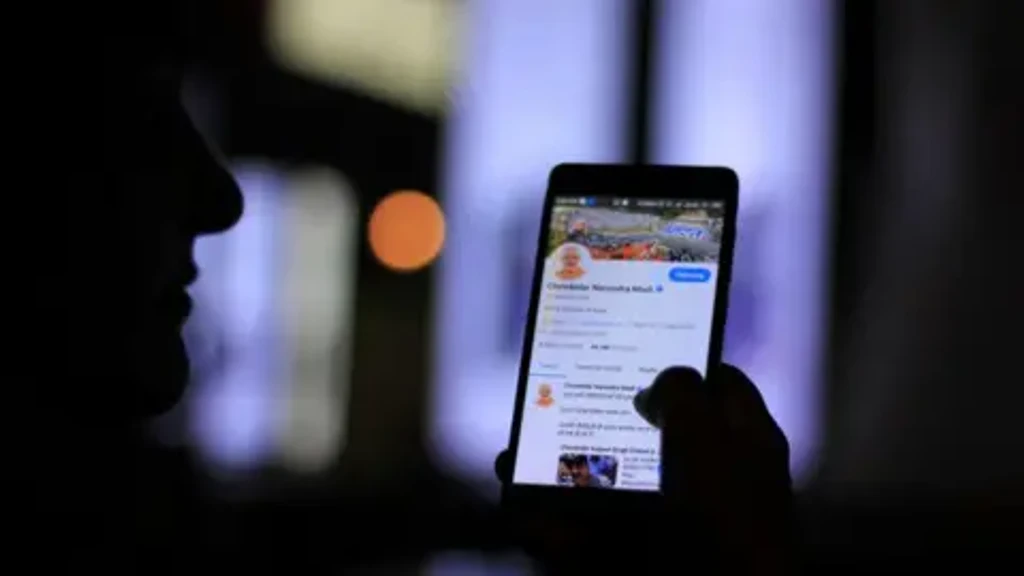
Last month, X blocked numerous accounts, many known for satirical content critical of the government, under Section 69A of India's IT Act. One user, Kumar Nayan, had his account restored by a court order after posts mocking Prime Minister Narendra Modi were blocked. Nayan highlights the loss of anonymity, essential for whistleblowers and critics.
Digital rights activist Nikhil Pahwa argues the proposed amendments strengthen the government's "infrastructure for mass censorship." He points to previous amendments that expanded government control and diminished user rights, including the Sahyog portal for issuing takedown notices with limited transparency.
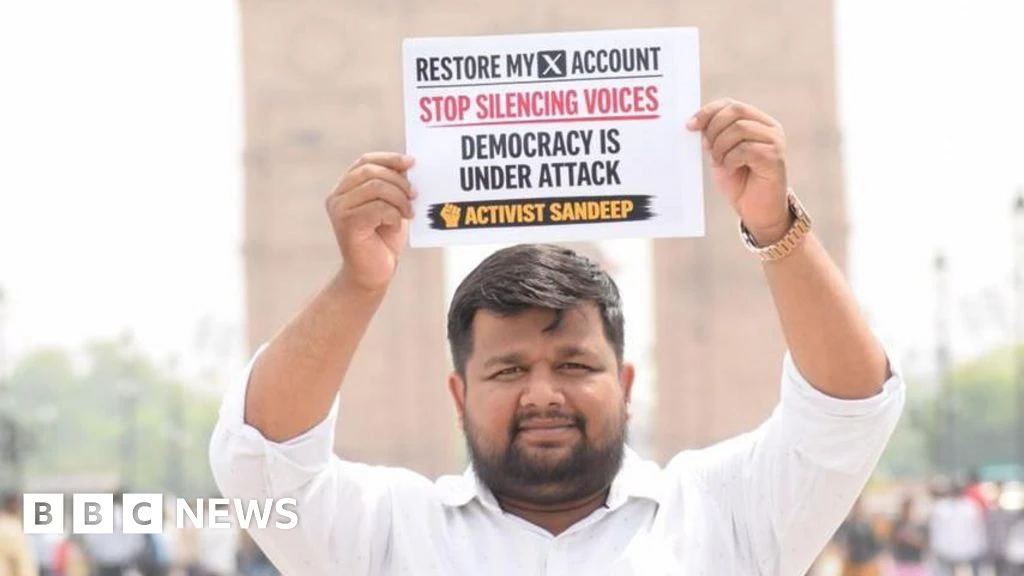
MeitY Secretary S Krishnan defended the rules, stating a "common framework" is needed as news content is no longer exclusive to publishers. Sandeep Singh, whose X account remains blocked, asserts he will continue speaking truth to power despite government actions. Critics question why expressing dissent has become so challenging in a democracy.