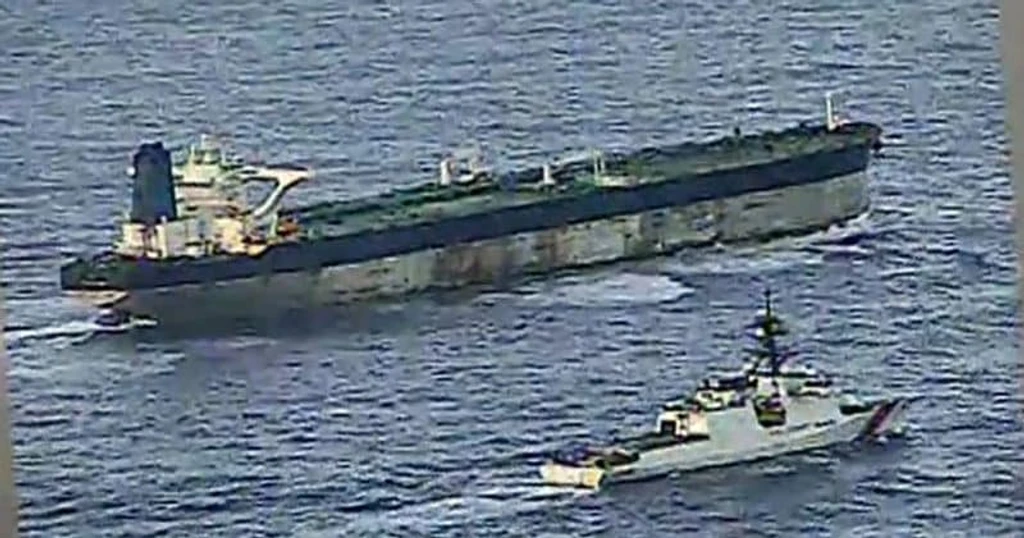
The United Kingdom has intercepted a Russian shadow fleet oil tanker in the English Channel, marking a significant escalation in Western efforts to enforce sanctions linked to the conflict in Ukraine.
The English Channel sees roughly 500 vessels daily. For Russia’s shadow fleet-comprising aging, poorly insured tankers with murky ownership-it has historically been an uncontested route. These vessels operate outside conventional insurance and flagging frameworks, carrying sanctioned crude to buyers willing to pay above the Western price cap. This strategy routes revenue directly back to the Kremlin’s war effort.
In March 2026, UK Prime Minister Keir Starmer authorized the Royal Navy and law enforcement agencies to intercept and detain such vessels within UK territorial waters. The authorization explicitly included the strategic chokepoint of the English Channel. Despite intensified monitoring, actual detentions remained rare until this recent operation.
This action follows a joint effort around June 1, 2026, where French naval forces, supported by the UK military, intercepted a suspected shadow fleet tanker in the Atlantic Ocean. That vessel was believed to be carrying sanctioned Russian oil under a false flag.
The risks are substantial. Shadow fleet tankers typically lack coverage from the International Group of P&I Clubs, the mainstream maritime insurance framework. An incident in a heavily trafficked waterway like the English Channel could create an environmental and financial disaster with no clear party liable for damages.
Firms facilitating sanctioned oil transport through ownership, crewing, or logistics face potential asset freezes and criminal prosecution under UK and EU sanctions regimes. Enforcement mechanisms remain rooted in traditional financial and maritime law, with no current involvement of cryptocurrency or blockchain technology.