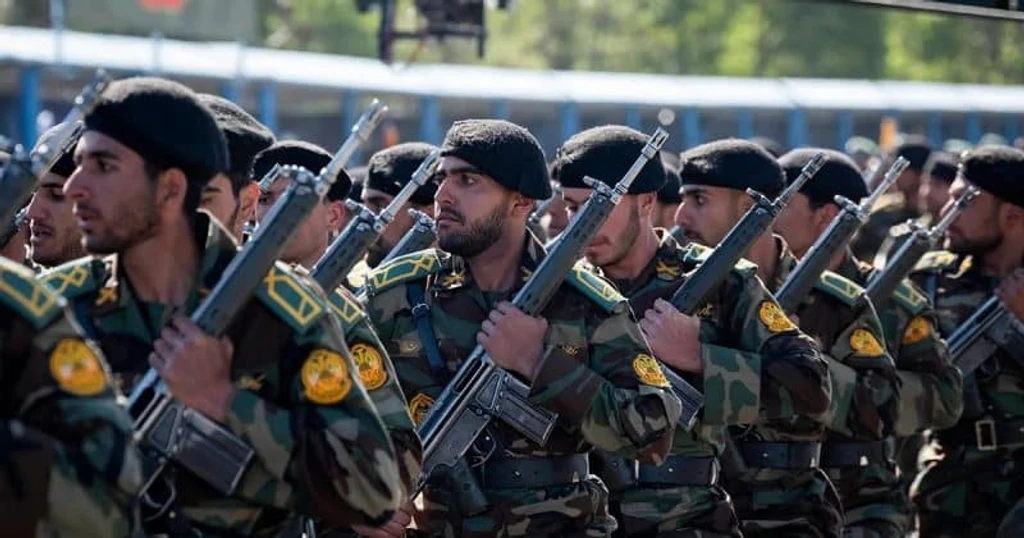
Iran's Islamic Revolutionary Guard Corps launched drone and missile strikes on June 27 and 28, 2026, hitting US military installations in Kuwait and Bahrain. Targets included the Ali Al Salem and Ahmad Al-Jaber air bases, along with the US Fifth Fleet's naval base in Bahrain.
The United States responded with airstrikes on Iranian missile and drone storage sites, coastal radar, and military positions near the Strait of Hormuz. Both Kuwait and Bahrain activated air raid alerts and reported intercepting incoming projectiles.
The strikes effectively suspend an interim ceasefire brokered earlier in June. That agreement's central purpose was reopening the Strait of Hormuz to commercial shipping. The strait, roughly 21 miles wide at its narrowest point, handles about 20% of global oil traffic and is the only sea route connecting the Persian Gulf to the open ocean.
Iran described its strikes as retaliation for earlier US actions. The conflict places Kuwait and Bahrain, which host US forces under security agreements, physically in the middle of a confrontation they did not initiate.
Market Impact: Bitcoin volatility increased alongside broader market uncertainty following the strikes, consistent with typical risk-off behavior during unexpected military escalations. Rising oil prices add inflationary pressure and can reduce capital flow into speculative assets.
Neither side has publicly signaled a return to negotiations.