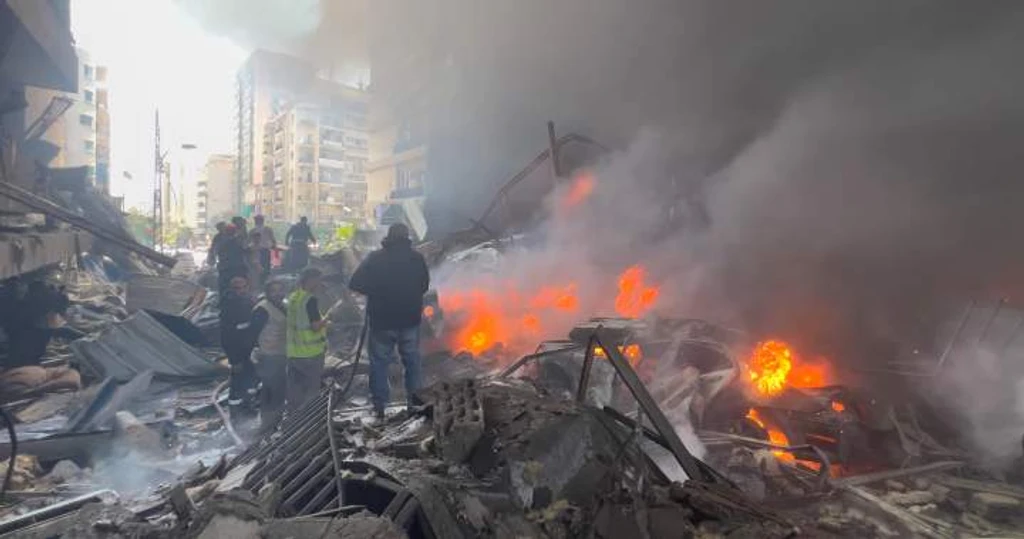
Israeli airstrikes hit central Beirut's commercial and residential areas Wednesday afternoon, targeting over 100 Hezbollah positions within 10 minutes. Black smoke filled the seaside capital as explosions interrupted normal traffic.
Israel's military called it the largest coordinated strike in the current war, extending beyond Beirut to southern Lebanon and the eastern Bekaa valley. At least five neighborhoods sustained damage in the attack.
Lebanon's Minister of Social Affairs Haneid Sayed condemned the strikes as a "very dangerous turning point," noting internally displaced persons populate the targeted areas. The Lebanese government offered negotiations for an end to hostilities.
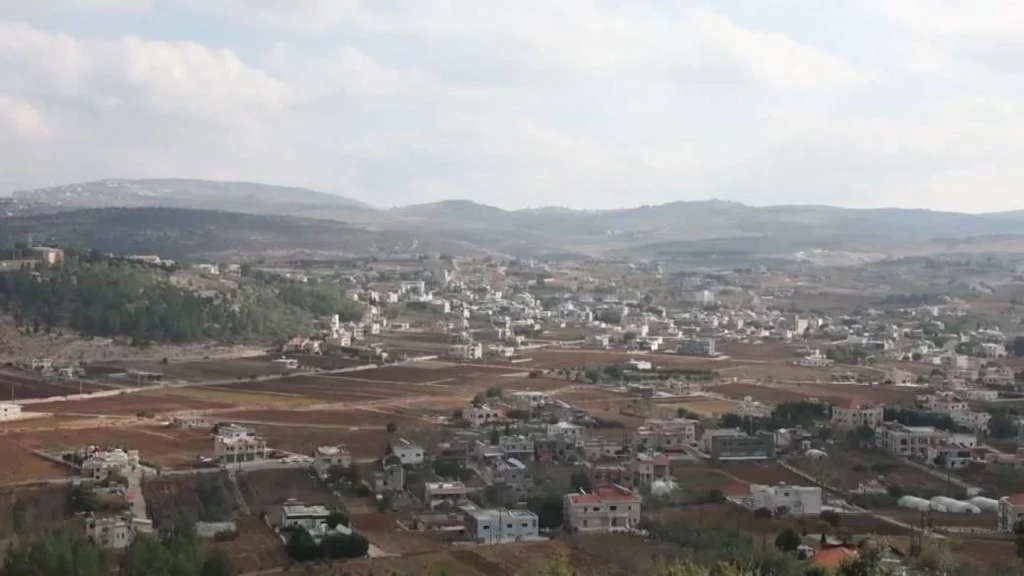
Israel said its agreement with Iran doesn't extend to Lebanon's Iran-backed Hezbollah. The Israeli military targeted missile launchers, command centers, and intelligence infrastructure while accusing Hezbollah of using civilians as human shields.
Local officials disputed military claims, with Beirut municipal council member Mohammed Balouza stating the strikes hit residential areas with no military presence.
More than 1,530 people have died in Israeli airstrikes across Lebanon, including over 100 women and 130 children. Over one million people have been displaced throughout the country.
Hezbollah officials said they're giving mediators a chance for a ceasefire but won't return to the pre-March 2 status quo. Israeli military chief Eyal Zamir pledged continued operations against Hezbollah to protect northern Israel residents.