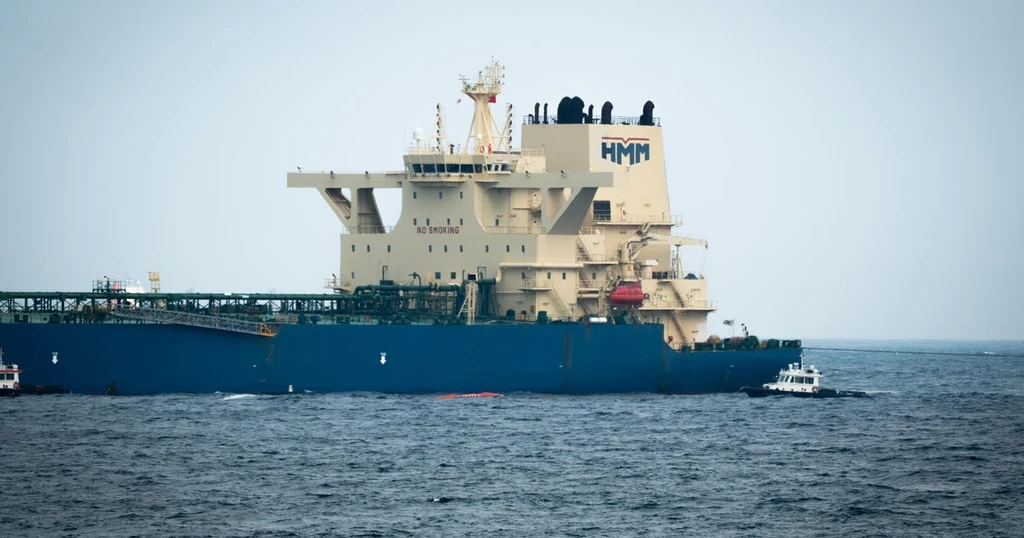
President Donald Trump confirmed an agreement with Iran that will reopen the Strait of Hormuz on Friday, ending the naval blockade and official U.S. military operations in the roughly 15-week conflict.
Brent crude oil prices plunged more than $4 a barrel immediately following the announcement, signaling relief over the restoration of critical maritime traffic.
The breakthrough was brokered by Qatari mediators after 17 hours of intensive negotiations in Tehran. Preparatory meetings are set for Doha this week before the official signing in Switzerland.
However, the diplomatic framework faces immediate resistance from Jerusalem. Israeli Prime Minister Benjamin Netanyahu informed President Trump that Israel will not withdraw its forces from Lebanon and does not consider itself bound by the Lebanon-related clauses of the accord. Israeli sources indicate Netanyahu received full cabinet backing to continue striking Iran-backed Hezbollah targets.
The agreement garnered strong international support. U.K. Prime Minister Keir Starmer and French President Emmanuel Macron praised the diplomatic effort, with Macron emphasizing that unrestricted maritime traffic is an “indispensable condition for regional stability and the global economy.”
President Trump is en route to the G7 Summit in the French Alps, where he is expected to face questions from world leaders who have been critical of the administration's handling of the crisis.