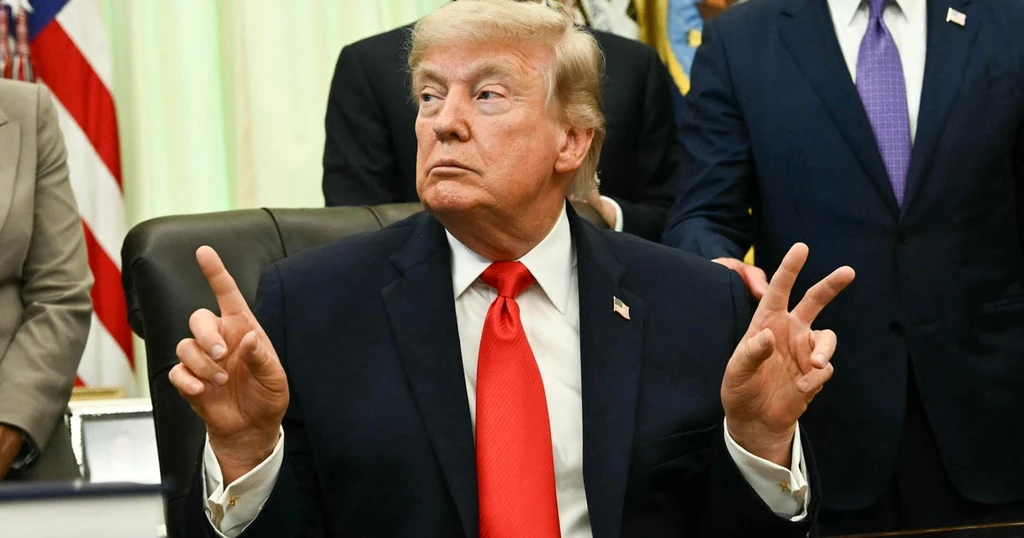
President Donald Trump declared Thursday that a "great settlement" has been reached with Iran, announcing the immediate cancellation of new military strikes on Iranian oil infrastructure. He indicated the formal agreement would likely be signed in Europe early next week.
However, Iranian officials have pushed back against this assertion. Foreign Ministry spokesman Esmaeil Baqaei stated Tehran had not reached a "final conclusion" on the accord, accusing the U.S. of introducing new demands. Semi-official Iranian media echoed these sentiments, noting Trump’s history of prematurely declaring imminent deals.
Despite the diplomatic friction, Israeli Prime Minister Benjamin Netanyahu welcomed the development. In a call with Trump, Netanyahu expressed appreciation for commitments to dismantle Iran's nuclear enrichment infrastructure, limit missile production, and halt support for regional proxies.
The proposed framework includes a 60-day negotiation period following the initial memorandum. Key provisions involve Iran committing to a 15-to-20-year freeze on uranium enrichment in exchange for staggered financial relief. Crucially, the deal aims to restore freedom of trade by demining and securing the Strait of Hormuz.
Tensions remain high on the ground. A U.S. official reported that Iran attempted to strike commercial vessels transiting the Strait of Hormuz early Friday. U.S. forces successfully intercepted two Iranian one-way attack drones, though some maritime traffic continues to flow through the critical waterway.