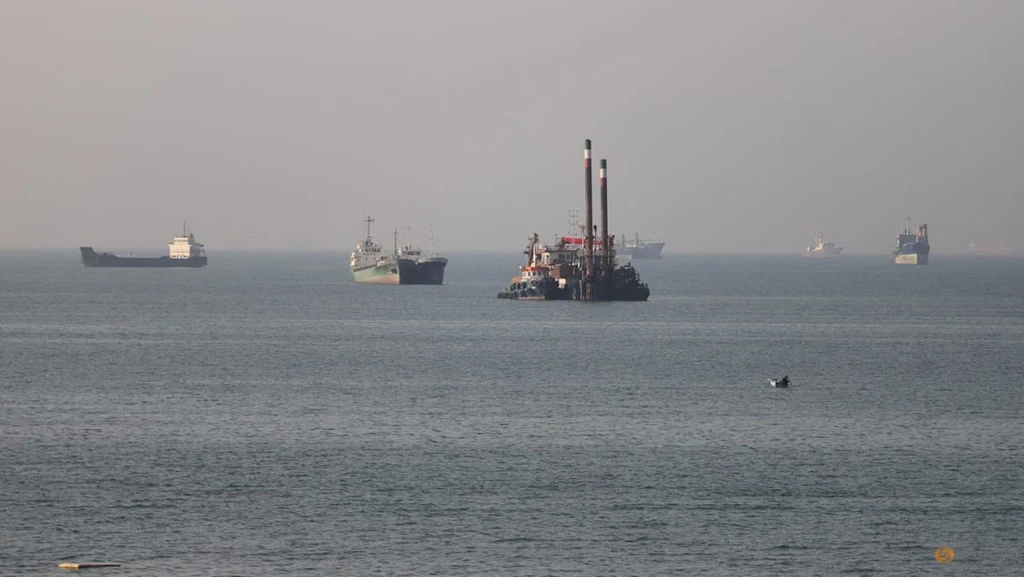
Iran’s Revolutionary Guards confirmed attacks on a US base in Jordan and 21 other targets across the Gulf on Wednesday. This escalation marks one of the most significant exchanges since the April ceasefire, directly retaliating for recent US strikes near the Strait of Hormuz.
The conflict intensified after President Donald Trump ordered strikes against Iranian air defense sites following the downing of a US Apache helicopter. Trump emphasized the response was "very strong," aiming to neutralize threats posed by Iran's surveillance radar and ground control stations.
In direct response, Iranian forces launched long-range missiles at the al-Azraq base in Jordan, specifically targeting F-35 hangars and command centers. Jordanian military officials reported intercepting five missiles, with debris falling harmlessly on their territory. Simultaneously, drones were deployed against US facilities in Kuwait and Bahrain, triggering air defense activations in both nations.
While initial assessments indicate that nearly all Iranian projectiles were intercepted without immediate harm to US personnel, the geopolitical stakes remain critical. Oil prices rose approximately one percent in early Asian trading as markets reacted to the renewed instability.
The violence threatens ongoing peace negotiations. While Washington insists on halting Iran's nuclear ambitions, Tehran demands sanctions relief and recognition of its control over the strait-a vital conduit for global oil and gas supplies. Despite rising ship traffic, normalizing energy flows through the Hormuz remains a distant prospect.