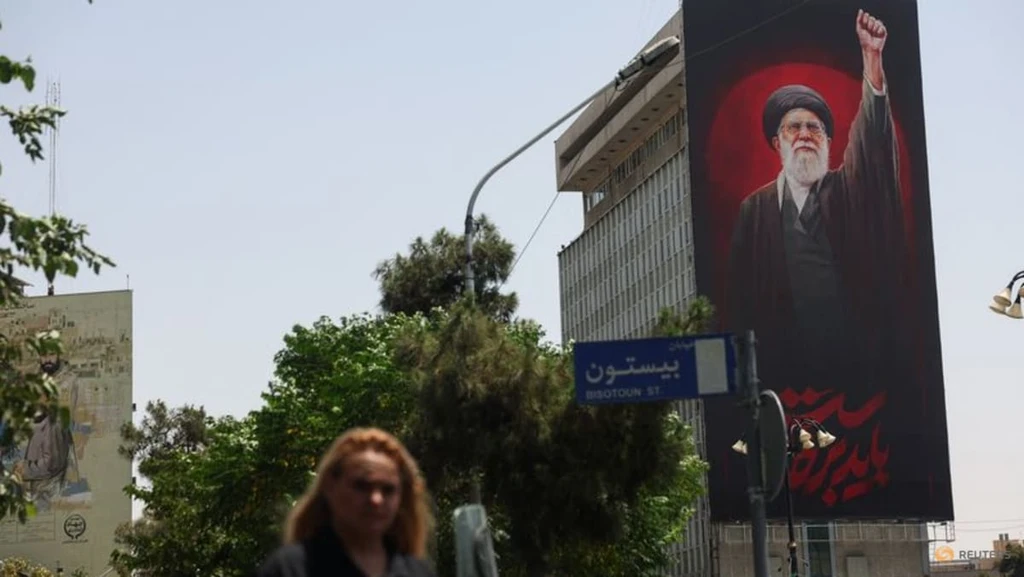
Iran launched a new wave of attacks across the Middle East on Tuesday, marking a significant escalation in its resumed conflict with the United States. Sirens sounded in Bahrain and Jordan after both nations intercepted waves of Iranian missiles and drones.
Iran's Yemeni allies, the Houthi rebels, declared their intention to blockade Saudi Arabia's ports. This threat would compound the energy market disruption already caused by Iran's blockade of the crucial Strait of Hormuz, which Tehran imposed to avenge the initial US-Israeli attack that began the war on February 28.
The Iranian Revolutionary Guards claimed they attacked and stopped two "non-compliant oil tankers" attempting to transit the strait.
"The siren has been sounded. Citizens and residents are urged to remain calm and head to the nearest safe place," Bahrain's interior ministry stated following the military's interception of the attacks.
Jordan's military reported intercepting five Iranian drones and three missiles in two separate waves. The Revolutionary Guards confirmed targeting what they called a "complex housing US terrorist forces" in the Rukban region.
The latest Iranian strikes follow the deaths of at least three US soldiers in recent days. The United States responded with a new round of attacks on Monday, stating they were "designed to further degrade Iranian military capabilities."
US President Donald Trump warned Iran would pay "many times over" for every American soldier killed. Iranian President Masoud Pezeshkian declared the conflict had become a "full-scale war." The Pentagon reported nearly 100 US service members have been wounded since fighting resumed on July 7.
The Houthi threat to blockade Saudi ports presents a severe risk to global oil markets. It would jeopardize Riyadh's ability to export crude via its Red Sea port of Yanbu, a critical bypass route around the Hormuz chokepoint. Saudi Arabia condemned the threat from what it called the "terrorist Houthi militia."
Oil prices briefly surged to a one-month high on Monday before easing slightly Tuesday. The renewed fighting follows the collapse of an April ceasefire and a June framework deal.
In a separate development in the Strait of Hormuz, the UK Maritime Trade Operations agency reported that two tankers off the coast of Oman were struck by projectiles, causing massive fires.
Despite the ongoing military exchanges, Iranian officials stated that diplomatic communications with Washington via mediators are continuing.