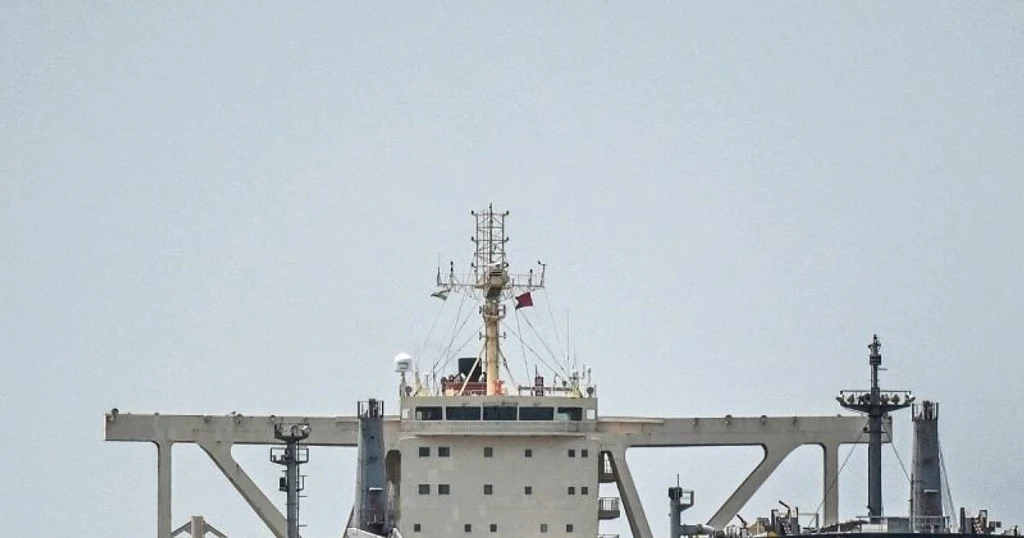
Iran has approved a management plan to impose tolls on oil and LNG tankers passing through the strategic Strait of Hormuz. The proposal includes passage restrictions targeting U.S. and Israeli vessels.
The plan allows tolls to be paid in Bitcoin or other digital currencies alongside the Iranian rial. This is explicitly designed to bypass Western sanctions infrastructure. Dollar payments are easily tracked and frozen, while Bitcoin offers friction against financial surveillance.
The tolls could generate up to $40 billion annually if traffic returns to pre-conflict levels. The United Nations Convention on the Law of Sea prohibits tolls on international straits like Hormuz, putting Iran's proposal in direct tension with maritime law.
Restricting U.S. and Israeli vessels could function as a selective blockade. Iran controls one side of the 21-mile-wide chokepoint; Oman controls the other.
This proposal represents a significant step in sovereign-level crypto adoption for trade settlement. If implemented, higher transit costs could increase global energy prices. U.S. authorities are likely to respond with stricter crypto surveillance and compliance mandates.