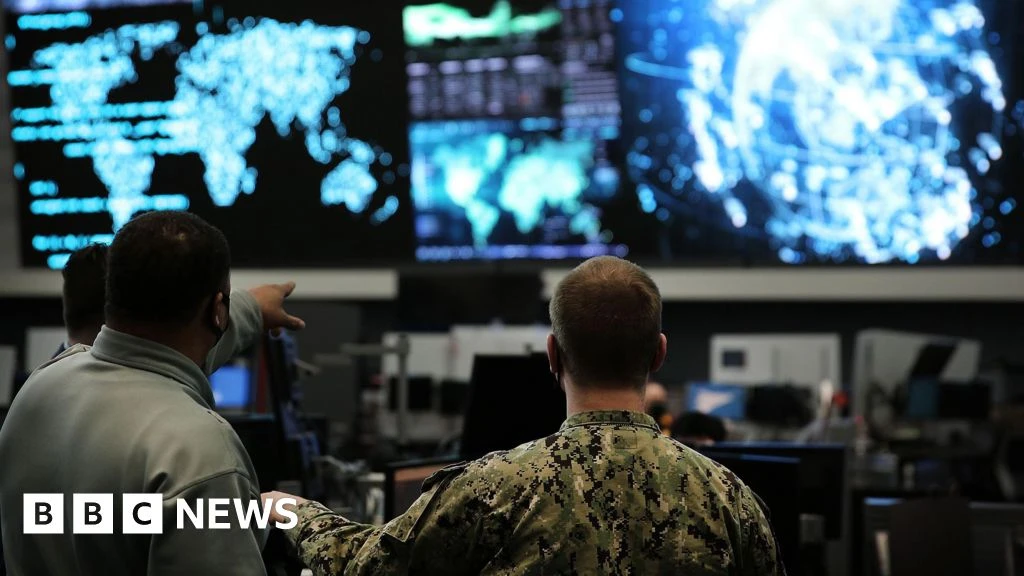
The US and Israel are employing significant cyber warfare tactics against Iran, complementing traditional military strikes. While overt military actions are widely publicized, cyber operations remain largely undisclosed, a deliberate strategy to protect sensitive methods and intelligence.
Admiral Brad Cooper of US Central Command stated, "We continue with strikes into Iran from seabed to space and cyber-space," hinting at the broad scope of these operations.
Before physical attacks, cyber-espionage and hacking are used for "pre-positioning." This involves infiltrating key Iranian networks, such as air defense and military communications, to gather intelligence and prepare targets. Israel is reportedly using hacked CCTV and traffic cameras to create a surveillance network, tracking key figures and establishing "patterns of life."
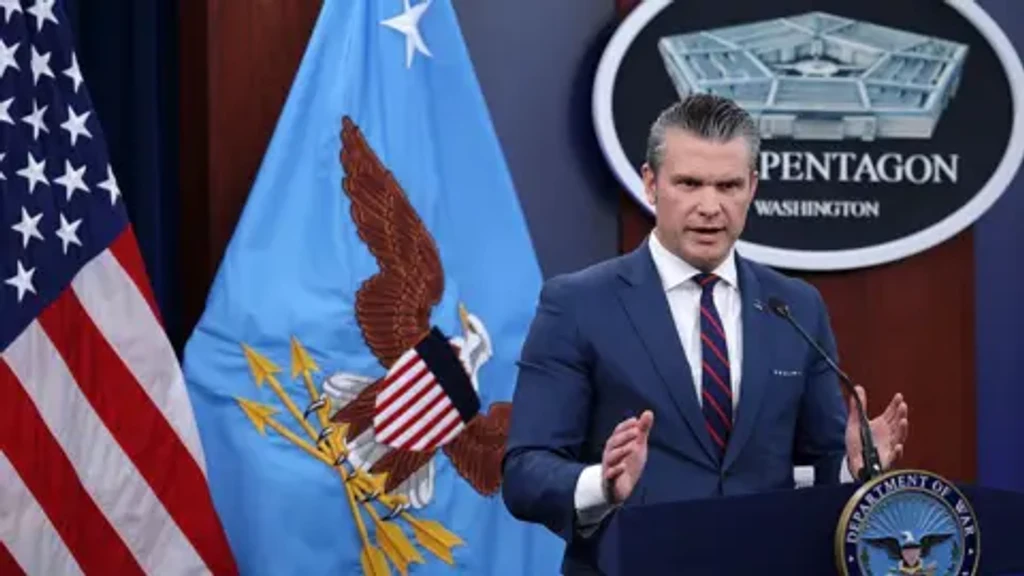
During initial strikes, US Cyber Command and US Space Command are described as "first movers," aiming to disrupt Iran's ability to see, communicate, and respond. This can include jamming or shutting down mobile phone towers to hinder communication. US Defence Secretary Pete Hegseth has indicated ongoing efforts to "hunt for more systems to kill," with cyber operations likely playing a key role, potentially augmented by Artificial Intelligence (AI).

Despite the extensive cyber activity from the US and Israel, Iran's cyber response has been notably subdued. This could indicate incapacitation from previous strikes or an overestimation of their capabilities. While Iran has a history of sophisticated cyber attacks, such as the 2010 Stuxnet hack and the Aramco oil giant breach, their current visible presence in cyber warfare is minimal. However, caution is advised, as patriotic hacker personas can sometimes mask state-linked groups.