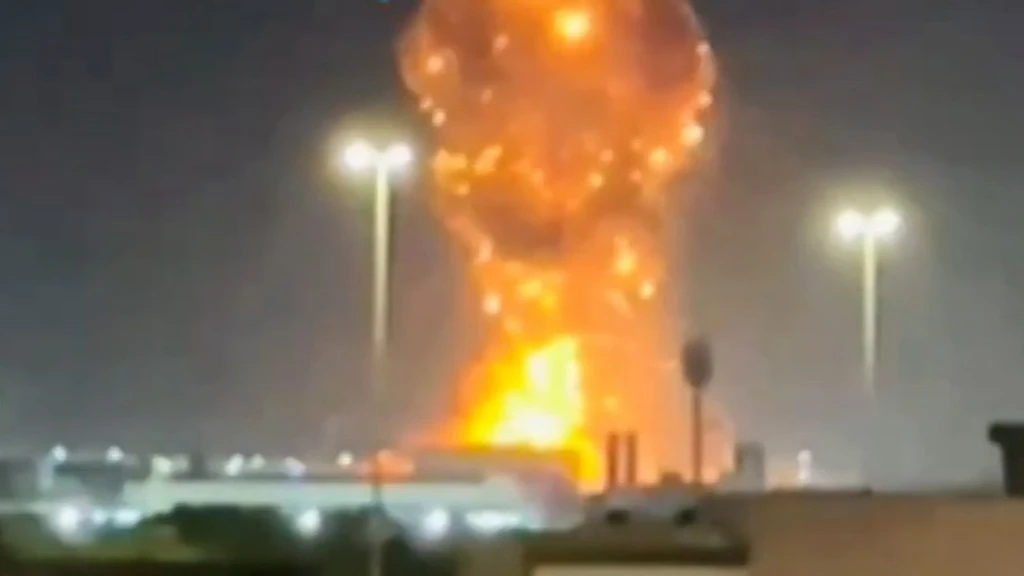
The last 24 hours of intense missile exchanges over the Persian Gulf underscore a stark reality: a prolonged conflict could inflict catastrophic damage on the global economy.
Iran struck key energy installations in Saudi Arabia, Qatar, Kuwait, and Israel-demonstrating sustained military capability despite weeks of bombardment.
One attack on Qatar’s Ras Laffan gas plant caused an estimated $26 billion in damage and will take years to repair. The strike severely limits liquefied natural gas exports, already tightening global supply.
European gas prices have surged 30%. Oil, helium, plastics, and fertilizer markets are also spiking.
The escalation follows Israeli airstrikes on Iran’s South Pars gas field-the world’s largest. Iran responded immediately, rejecting diplomatic de-escalation.
Esmail Baghaei, a senior Iranian diplomat, said restraint is impossible while under direct aggression: "They are killing our elites... targeting our leaders."
US officials are now considering deploying troops to secure the Strait of Hormuz-a move that could prolong hostilities for months.
With both sides entrenched, analysts warn continued strikes could devastate critical energy infrastructure across the Gulf, triggering a worldwide economic shock.