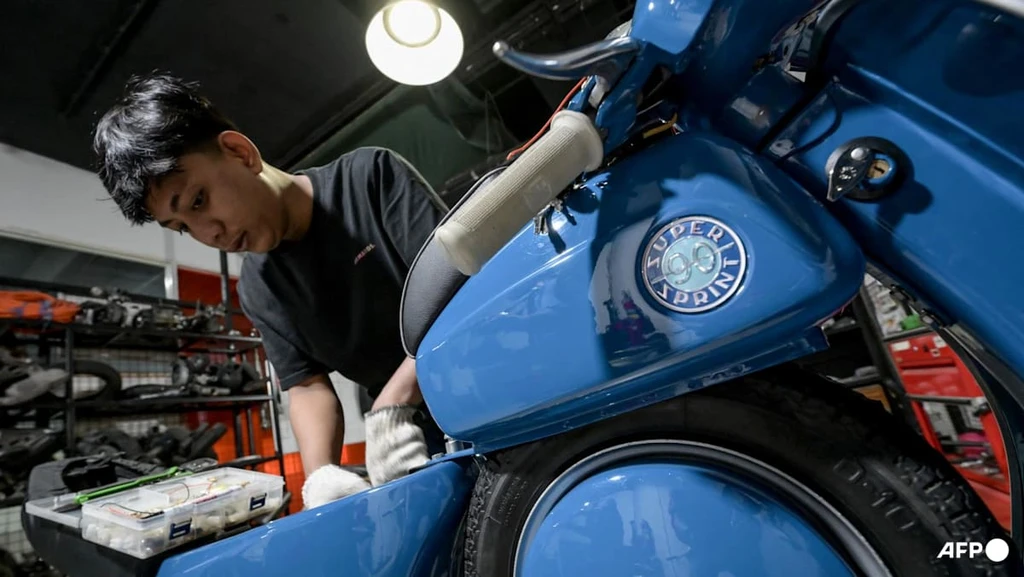
President Prabowo Subianto of Indonesia has unveiled an ambitious plan to convert the nation's 120 million petrol-powered motorcycles to electric. This sweeping initiative aims to foster energy independence and address soaring global oil prices, exacerbated by recent geopolitical conflicts.
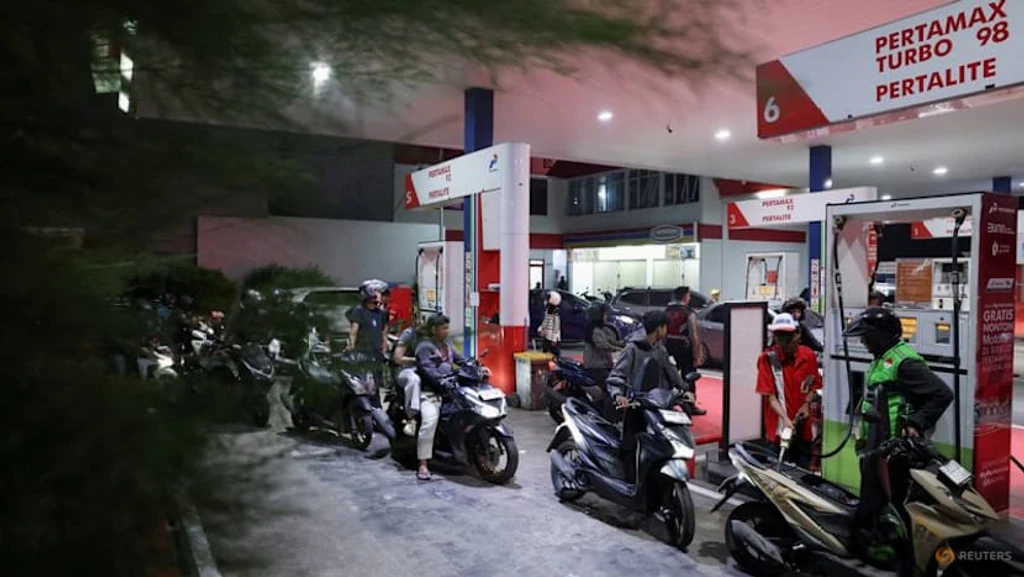
The government aims to complete the conversion within three to four years. The push for electrification extends to other vehicles, including cars, trucks, and tractors, with a goal to significantly reduce reliance on fuel imports. This comes as Indonesia imports approximately one million barrels of oil daily, with a portion passing through the Strait of Hormuz.
However, experts caution that the target is highly ambitious. Current electric vehicle adoption in Indonesia remains low, with only a fraction of the country's vehicles being electric. Scepticism about the practicality and reliability of EVs, coupled with the need to change consumer behavior, presents significant challenges. The number of authorized conversion workshops is limited, and skilled manpower is scarce.
A previous government-backed motorcycle conversion program in 2023 and 2024, offering subsidies, failed to gain significant traction, converting only a small number of vehicles against ambitious targets. Experts point to the lack of essential supporting factors, the need for model-specific conversions, and insufficient training for mechanics.
To overcome these hurdles, the new task force is drafting a roadmap that includes cheaper technologies and potentially lower subsidies for owners. The government is also preparing regulations to phase out internal combustion engine motorcycles. The potential cost of the program, if subsidies are significant, could reach billions of dollars.
Analysts suggest a more gradual approach, starting with specific segments like delivery and ride-hailing drivers, and focusing on building workshop capacity and training skilled workers. Securing cleaner electricity sources and expanding charging infrastructure are also critical for success.