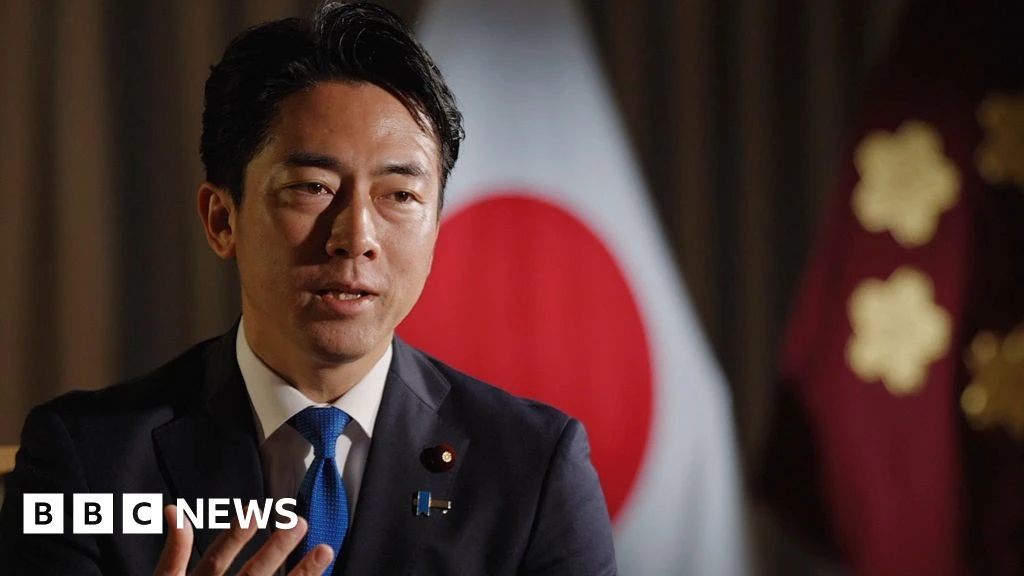
Japan is fundamentally reshaping its post-war security posture. Defense Minister Shinjiro Koizumi confirmed that strengthening defense capabilities and expanding alliances are now critical to preventing regional conflict. This strategy includes reinforcing ties with the United States and collaborating with like-minded nations to build multi-layered deterrence.
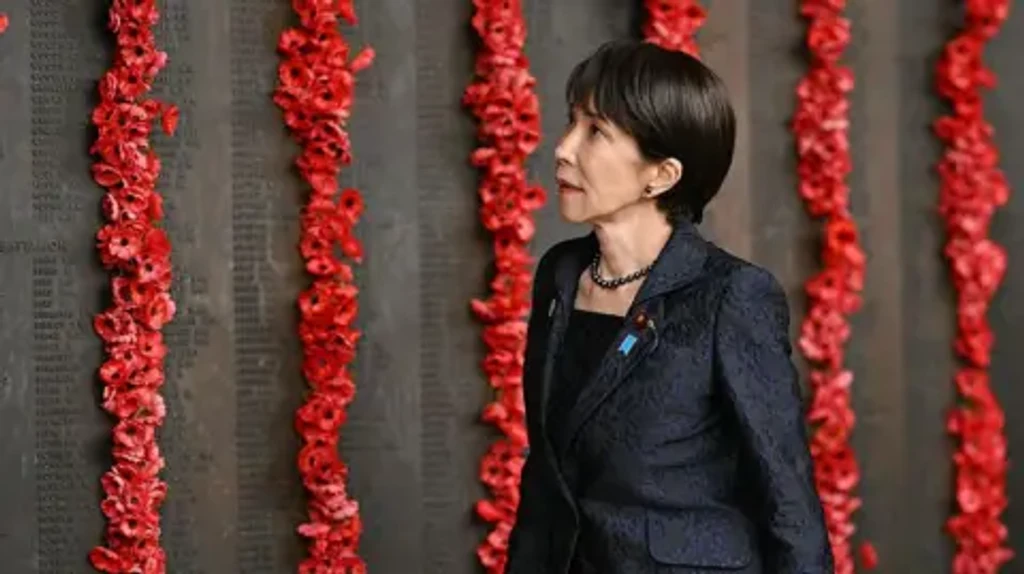
For the first time in fifty years, Tokyo has relaxed arms export rules. Japan can now transfer lethal weapons and defense equipment to seventeen partner nations, including the US and UK. Australia has already selected Japanese warships, while discussions regarding destroyer transfers are underway with the Philippines, Indonesia, and New Zealand. This marks an unprecedented vision of defense asset trading throughout the Indo-Pacific.
Prime Minister Sanae Takaichi has prioritized these reforms amid rising tensions with China and North Korea. Her administration has committed to raising defense spending to two percent of GDP and is pushing to revise Article 9 of the constitution. Koizumi argues that adapting to the dramatically changed security environment is essential for maintaining peace, despite critics claiming current laws suffice for defensive operations.
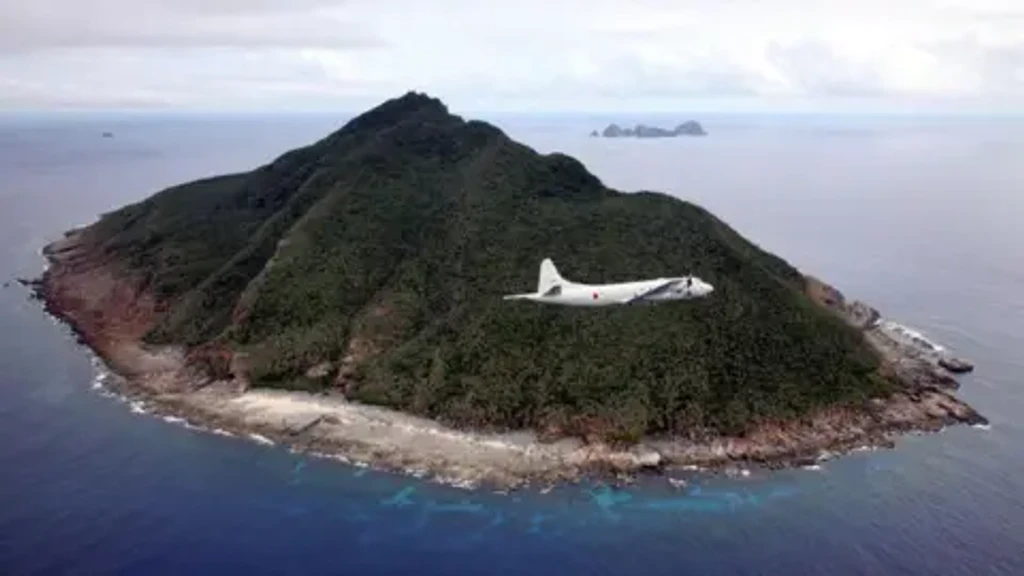
China’s military expansion near the Senkaku Islands remains the primary strategic challenge. While Beijing accuses Tokyo of new militarism, Koizumi insists Japan seeks continued dialogue alongside deterrence. The government plans to invest its increased budget in surface-to-ship missiles and unmanned drones, aiming to make domestic shipbuilding and electronic systems competitive in the global defense market.
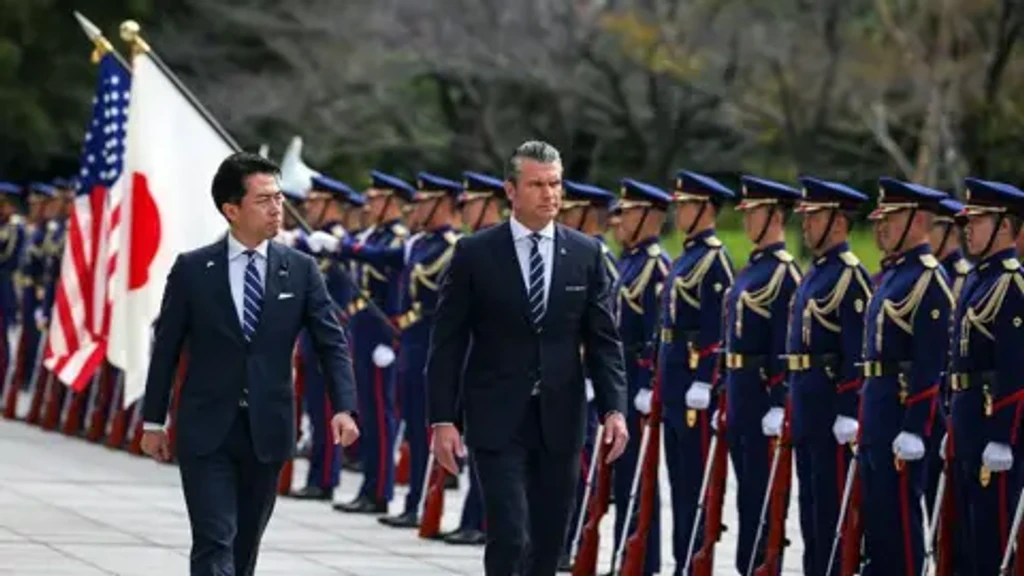
This overhaul aligns with Washington’s demand for greater burden-sharing among allies. As the era of subsidized defense ends, Japan is positioning itself to play an independent security role. Koizumi emphasized that while the US alliance remains the cornerstone of national defense, Japan must possess steadfast capabilities to protect its own sovereignty in a volatile region.