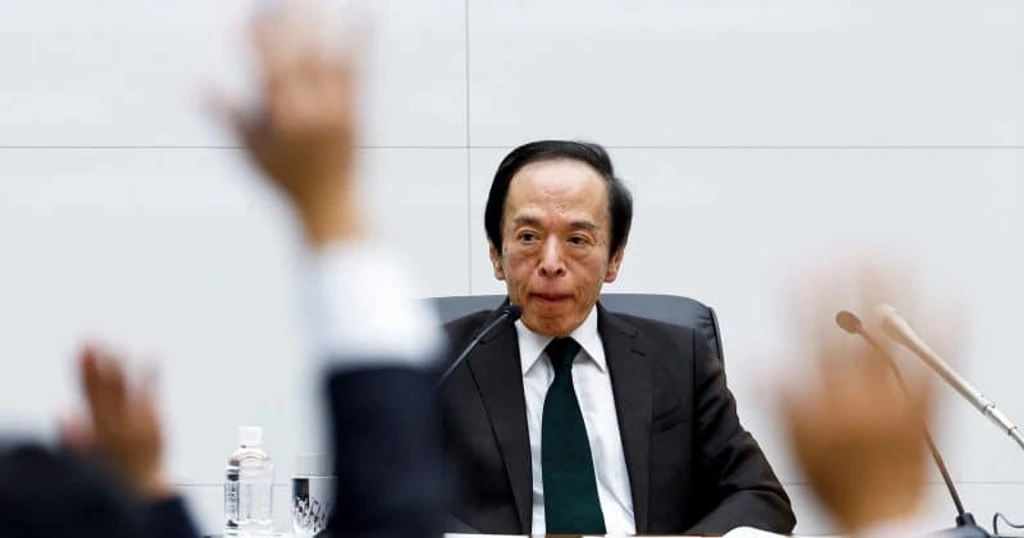
The Japanese government has issued a clear, policy-level message to its central bank: ease up on interest rate hikes. A draft economic plan, unveiled by Prime Minister Sanae Takaichi's administration, calls for 'appropriate' monetary management and tighter coordination with the Bank of Japan. The move comes just nine days after the BOJ raised its policy rate to 1%, a 29-year high.
The blueprint, to be finalized next year, emphasizes fostering stable private demand. The goal is manageable inflation, not aggressive tightening that could stifle economic growth.
The timing is critical. The BOJ's recent rate decision was driven by inflationary pressures from rising energy costs linked to geopolitical tensions. The government's plan, however, includes a massive $2.3 trillion investment push into AI and semiconductors by 2040-a move that itself risks fueling inflation.
For global investors, particularly in digital assets, the stakes are high. The yen carry trade-borrowing in cheap yen to invest in higher-yielding assets like crypto-is highly sensitive to BOJ policy. Market analysis has tied recent BOJ rate hikes to Bitcoin drawdowns of 18% to 32%. A sustained pause in hikes could provide short-term support for risk assets.
Tokyo's attempt to manage this cycle creates a delicate policy tension: balancing inflation control with growth, while its own spending ambitions could work at cross-purposes.