Sri Lanka is grappling with a devastating "triple blow" of natural disaster and geopolitical conflict. Cyclone Ditwah, which struck last November, caused unprecedented floods and landslides, killing 643 people and leaving hundreds of thousands displaced.
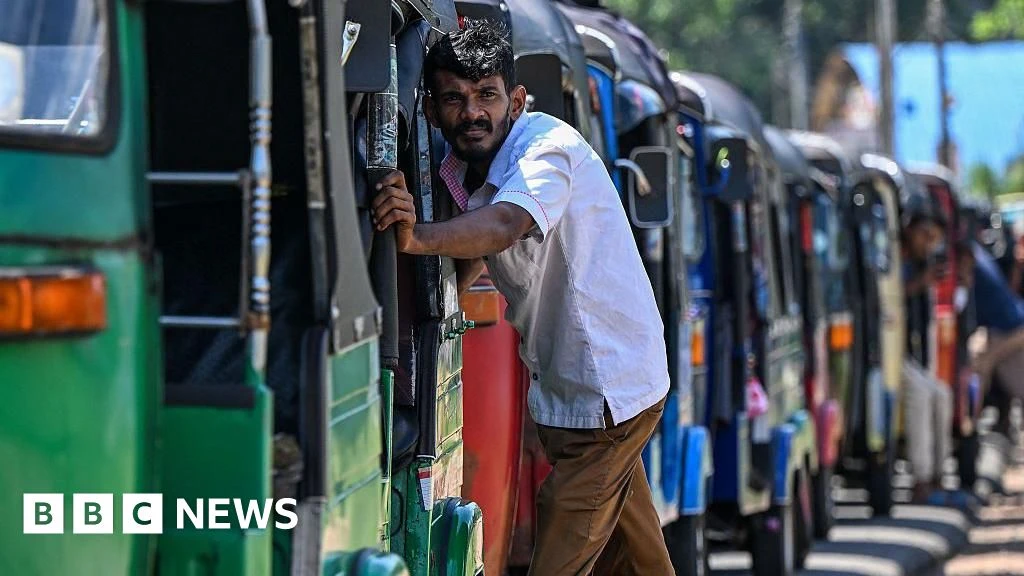
The destruction from Ditwah is reported to exceed that of the 2004 tsunami in terms of infrastructure damage. Compounding these woes, the ongoing conflict involving Iran has sent fuel prices soaring and triggered widespread shortages, reminiscent of the 2022 economic crisis. This global economic fallout is now severely hindering the island nation's recovery, with soaring fuel prices, increased electricity costs, and water and power cuts becoming the norm.

While India provided significant aid through Operation Sagar Bandhu, other major investors like China offered minimal support. The government faces immense challenges in reconstruction, with international funding falling short of the estimated $4 billion in damages. The strain on the economy is further threatened by potential losses in remittances from Sri Lankans working abroad, primarily in Gulf countries. The government's ability to manage these interconnected crises will be a defining test of President Anura Kumara Dissanayake's leadership.