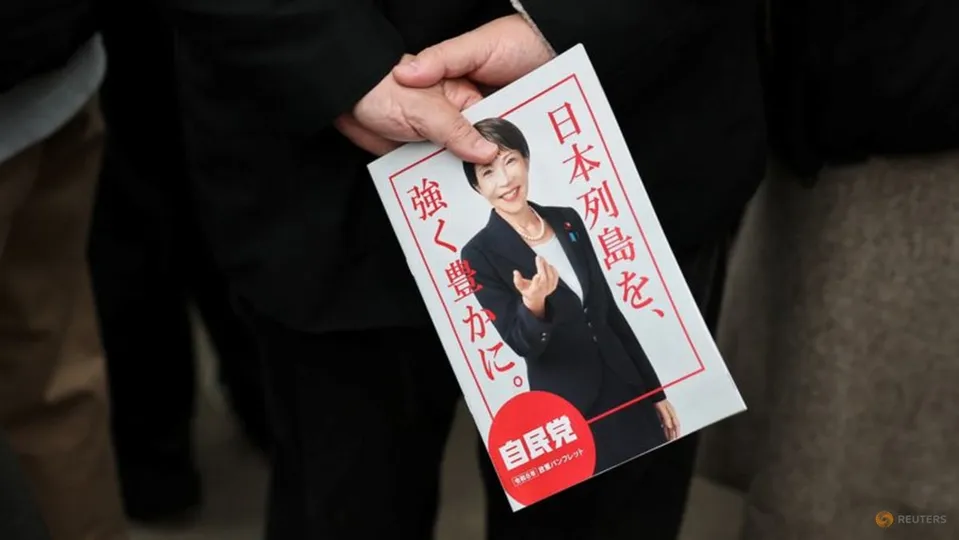
Japanese Prime Minister Sanae Takaichi and her government have become the target of a sophisticated, long-term online smear campaign involving thousands of social media accounts. Research indicates approximately 3,000 accounts actively posted malicious content about Takaichi since late January, intensifying just before the House of Representatives election campaign began.
Posts in both English and Japanese spread accusations including claims of promoting military expansion, historical revisionism, vote-buying, and increasing social security burdens on younger generations. Linguistic analysis revealed awkward phrasing and the use of simplified Chinese characters, suggesting machine translation and foreign origins for many Japanese-language messages. Account names often blended Japanese script with Chinese characters.
Analysts observed that a third of the accounts generated original content, while the remainder amplified it through reposts. Most accounts had minimal posting activity, a pattern designed to evade detection by platform operators. This suggests a prolonged operation, with accounts suppressing posting volume while employing multiple identities.
Similar disinformation efforts were noted in the weeks leading up to the vote. Investigations identified hundreds of accounts propagating anti-Takaichi hashtags such as "Traitor Takaichi" and "Resign Takaichi." These posts also frequently featured simplified Chinese characters and grammar typical of Chinese usage. A significant portion of these accounts were created shortly before the election period.
Fifty-nine images accompanying the posts were identified as AI-generated. These visuals often depicted China's military and economic strength or highlighted divisive themes within Japanese society, including anger over US military bases and alleged election fraud.
A central narrative falsely linked Takaichi to the Unification Church, referencing a leaked document purportedly detailing lobbying activities. While the overall influence of this online campaign was deemed limited, Japan's administration plans to bolster its intelligence apparatus to counter foreign information threats, including elevating the Cabinet Intelligence and Research Office into a new National Intelligence Bureau.