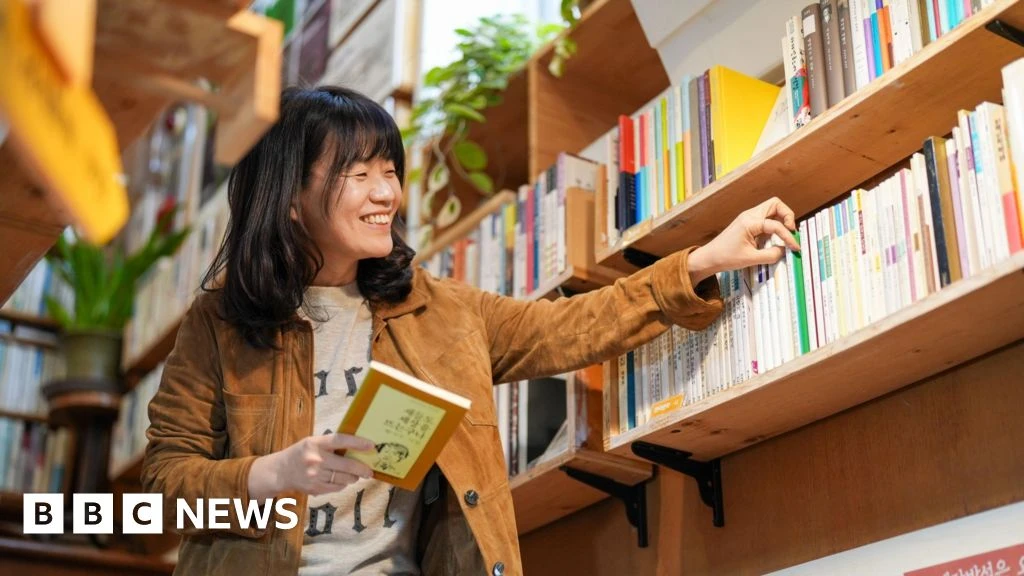
South Korean female authors are increasingly finding success, challenging societal norms and overcoming a wave of online hate. Seen Aromi's memoir celebrating singlehood, "So What if I Love My Single Life!", became an instant bestseller upon its 2024 release, resonating deeply with readers. However, the book's success also attracted significant online criticism from men, who leveled accusations of selfishness and national betrayal.
This backlash highlights a growing tension in South Korea, where embracing female independence and questioning patriarchal structures is met with fierce opposition, often fueled by anti-feminist sentiment. Despite these challenges, women are carving out vital spaces to share their narratives, leading to a quiet revolution in the country's literary landscape.
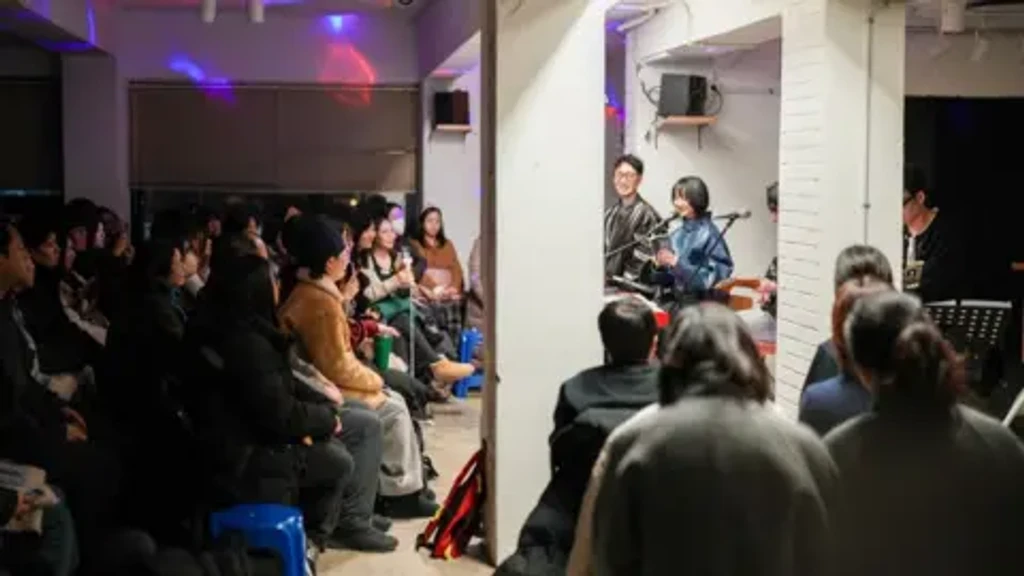
This year marked a historic achievement at the Yi Sang Awards, the nation's most prestigious literary prize, with women winning in all six categories. The emergence of community spaces like "guelbang" (reading and writing rooms) provides women with crucial opportunities for connection and growth.
Author Eunyu, who established her writing room in 2011, notes that the 2016 MeToo movement encouraged more women to speak out. Even as anti-feminist sentiment grew, women increasingly organized writing classes and reading sessions, fostering accessible environments. Many attendees have since become writers themselves, finding healing and self-restoration through the act of writing within these supportive communities.
Seen Aromi's story, which details her choice to live independently in a countryside home and forgo marriage and children, is considered radical in a society grappling with low birth rates. Her memoir emphasizes personal choice and prioritizing one's desires, a narrative that has clearly found a receptive audience. Aromi has secured a six-figure international translation deal with Penguin, reflecting a broader trend of burgeoning global interest in Korean literature. Sales of translated Korean books more than doubled in 2024.
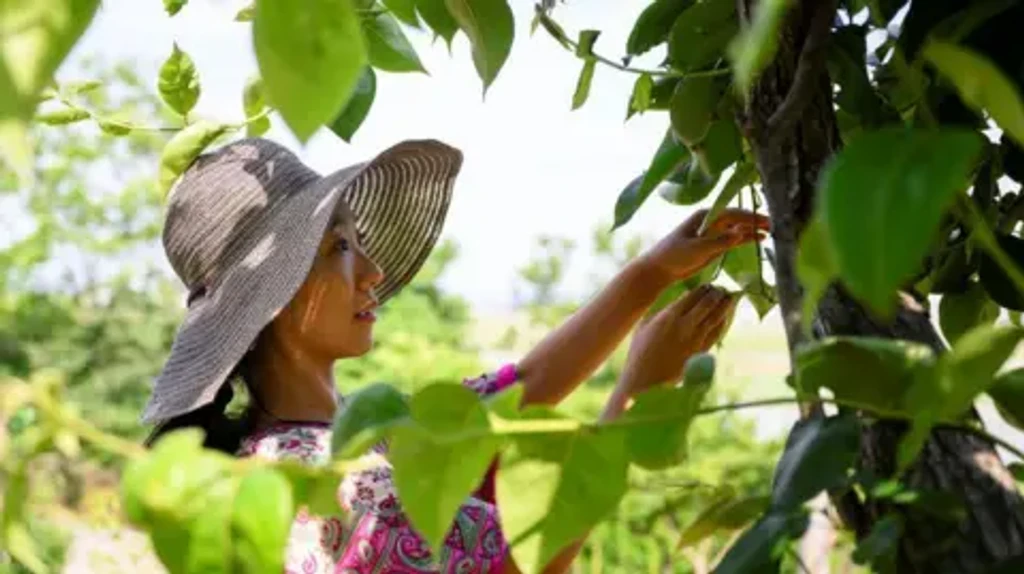
Other notable works gaining international traction include Gu Byeong-mo's "The Old Woman With the Knife," Kim Cho-yeop's sci-fi anthology "If We Cannot Go at the Speed of Light," and Lang Lee's memoir exploring family trauma. Esther Park's "The Legend of Lady Byeoksa" offers a tale of a cross-dressing demon-slayer.
These literary spaces have become vital outlets for discussions that are increasingly difficult in public spheres. The rise of "stealthy feminism" and the popularity of "guelbang" offer women a refuge from societal pressures and the "suffocation" of public discourse. These rooms provide a safe haven for women to share experiences of discrimination, sexual violence, and personal desires without self-censorship.
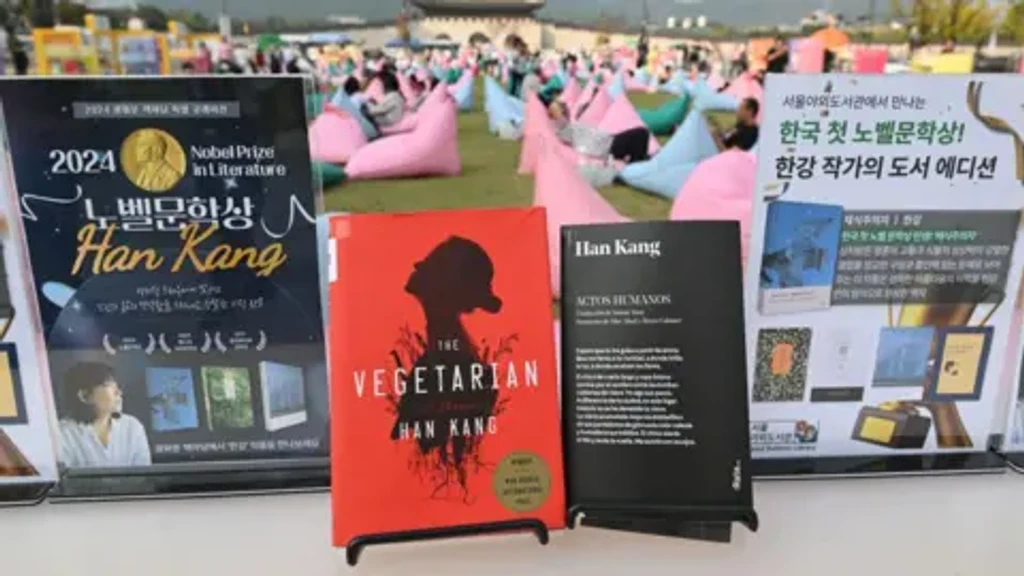
Author Ha Mina emphasizes that these workshops are safe spaces for women to make mistakes and grow, offering transformative experiences amid Korea's intense competition. Similarly, Kim Gahyun highlights the diversity of "womanhood" being discovered in these communities, challenging singular definitions. Choi Suwon finds liberation in sharing stories from minority backgrounds, while Lee Hae connects deeply with contemporary women writers' narratives, as exemplified by Lee Sulla's novel "In The Age of Filiarchy," which re-imagines family dynamics with female protagonists at the helm.