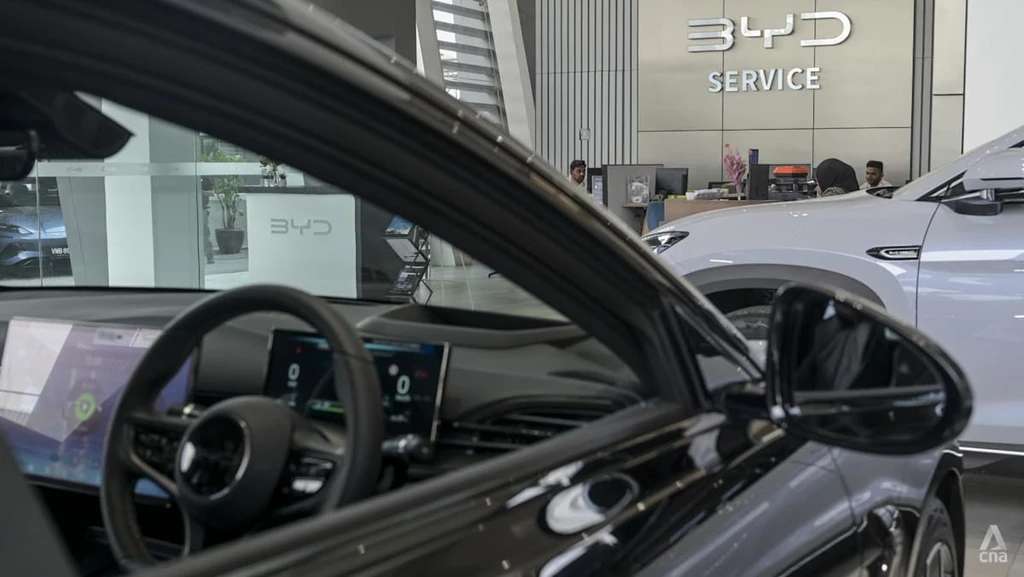
Malaysia is facing a critical challenge in its pursuit of becoming a regional electric vehicle (EV) hub. The government's conditions for Chinese EV giant BYD's proposed local assembly plant have highlighted a broader dilemma: how to foster foreign investment without jeopardizing domestic carmakers, suppliers, and jobs.

Analysts suggest the disagreement with BYD raises questions about Malaysia's ability to attract major EV investments while maintaining protections for its national automotive industry, built on local vendor networks and decades of industrial policy. The Ministry of Investment, Trade and Industry (MITI) has set terms for BYD's plant, including exporting 80 percent of production and pricing domestic sales above a certain threshold, which BYD reportedly could not agree to. MITI states its policies aim to preserve market space for national players like Proton and Perodua while encouraging higher-value local assembly and technology transfer, not to act as a barrier to entry.
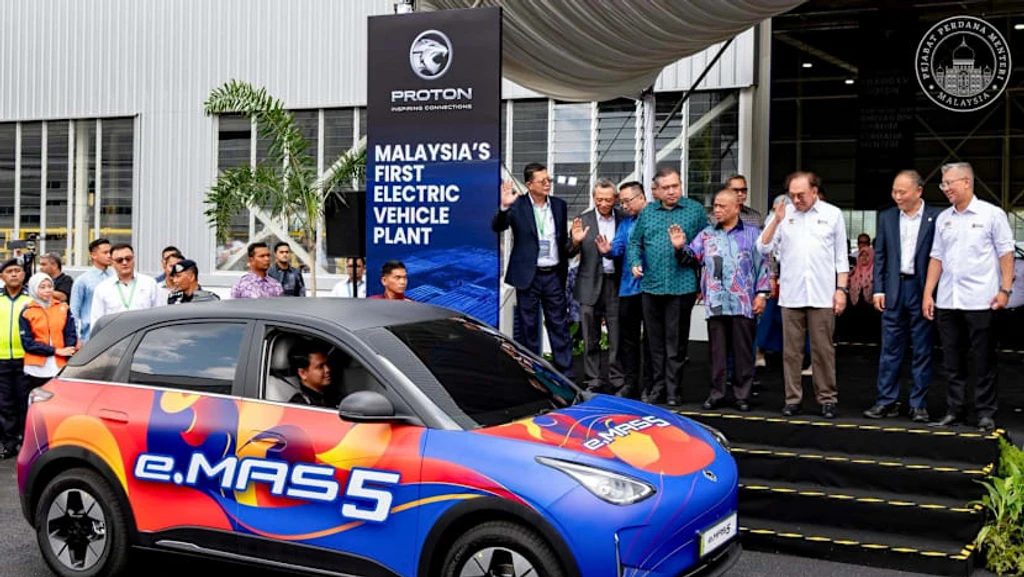
Experts believe Malaysia's stance, while aimed at protecting its automotive supply chain and national carmakers, could deter large-scale international investment. Stricter conditions may raise the investment threshold. However, Malaysia remains an attractive destination for firms willing to align with its industrial policy objectives.
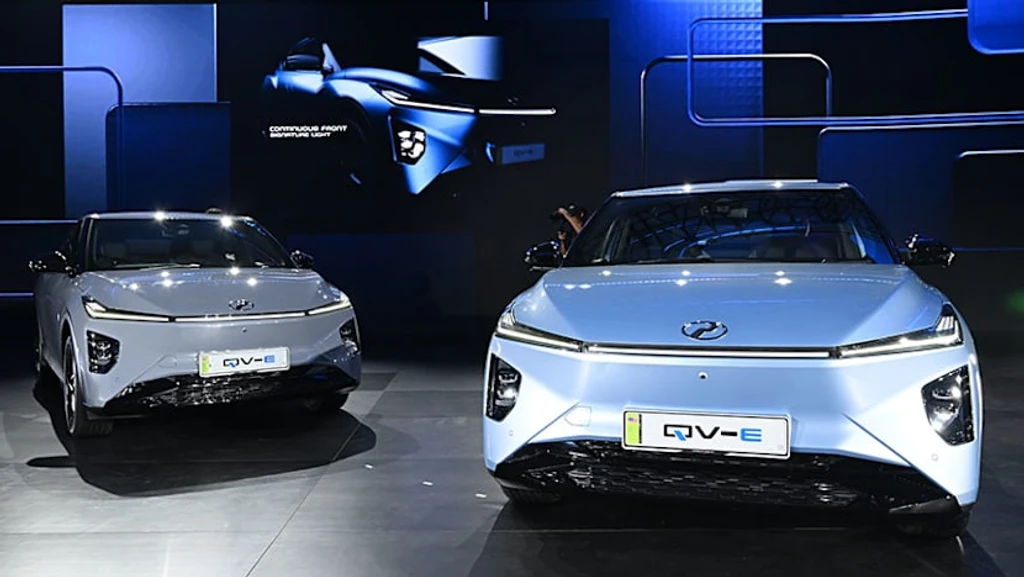
Concerns exist that large-volume foreign players, like BYD, could rapidly compete on price, potentially pressuring existing manufacturers and suppliers before they can adapt. Malaysia's national carmakers, Proton and Perodua, are significant contributors to the economy, employing over 700,000 people and supporting a robust supply chain. The government's long-term strategy emphasizes local manufacturing and assembly for EVs, rather than perpetual imports, to make them more accessible and affordable for Malaysians.