The United Nations is sounding the alarm on a dangerous escalation in the Middle East, warning that continued strikes are placing civilians and vital infrastructure at grave risk.
UN Spokesperson Stéphane Dujarric expressed deep concern over the renewed hostilities, stressing that immediate de-escalation is essential. He emphasized that all parties must respect international humanitarian law to protect civilians and critical services like hospitals and water supplies.
The warning comes amid fresh threats from Houthi rebels in Yemen, which jeopardize freedom of navigation in the Red Sea. Dujarric noted this could choke off a vital shipping lane, impacting the flow of humanitarian goods and dealing another blow to global trade, which is already strained by disruptions near the Strait of Hormuz.
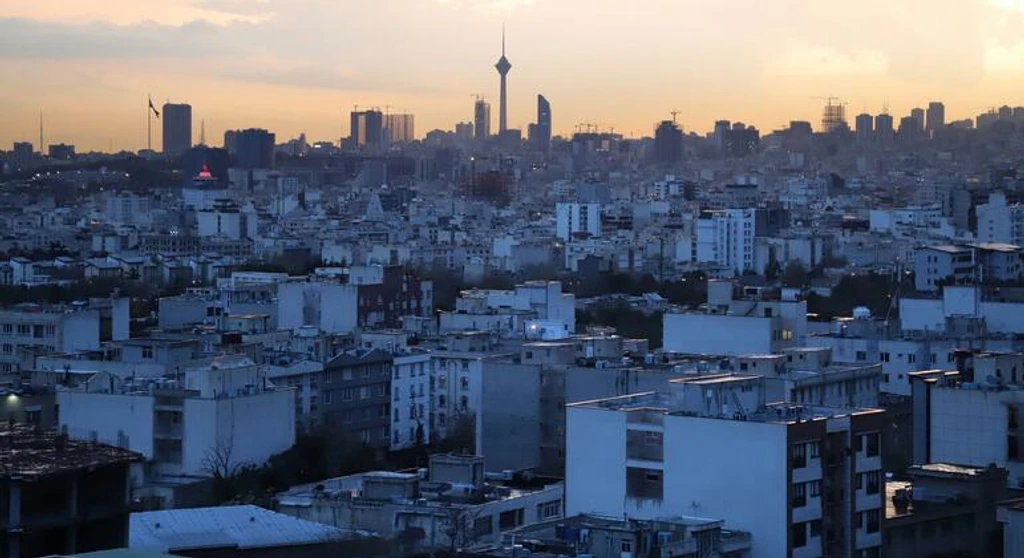
The World Health Organization reported that the renewed conflict is causing civilian casualties and damaging infrastructure in Iran. Health authorities there report at least 50 people killed and over 500 injured this month. Strikes have disrupted a water desalination plant and forced the evacuation of a children's hospital.
The International Atomic Energy Agency is also investigating reports of an attack near the under-construction Darkhovin nuclear power plant in Iran. While the facility held no nuclear material, the IAEA chief called for military restraint around all nuclear sites.
The fallout is spreading across the Gulf States. In Qatar, falling shrapnel injured five civilians. Authorities in Kuwait reported injuries and significant damage following a strike on an oil facility, which also impacted power and water desalination plants.
The WHO is calling for immediate de-escalation and the protection of civilians and healthcare facilities throughout the region.