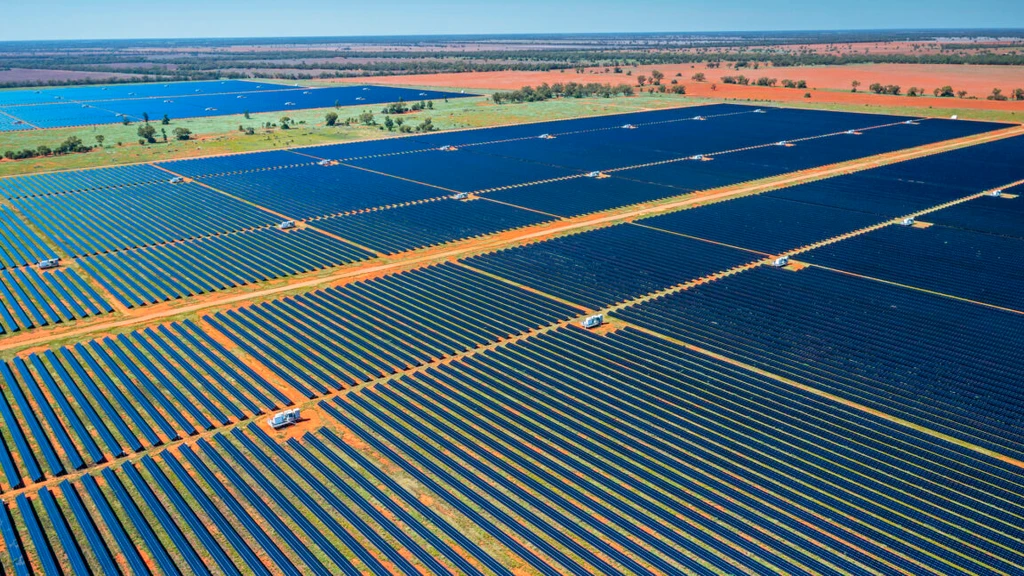
The global surge in solar power generation during 2025 marked the largest absolute increase ever recorded for any energy source, excluding rebounds from economic shocks. Solar's growth alone accounted for a quarter of the rise in total energy demand and over two-thirds of the increase in electricity demand.
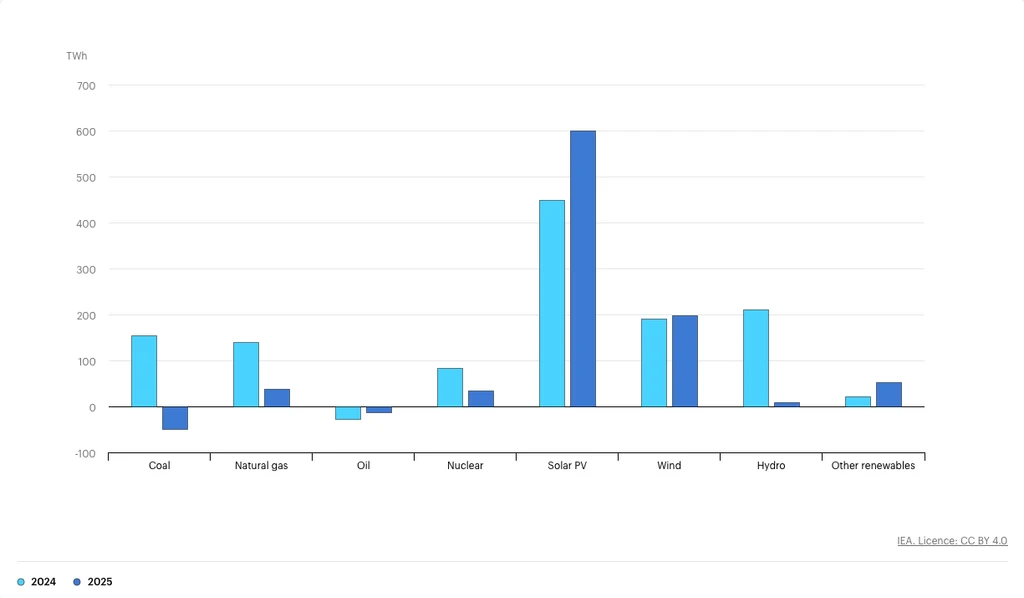
Last year, solar generated over 2,700 terawatt-hours, more than doubling its output from three years prior. It now represents over 8 percent of global electricity production. Thirty countries each installed at least a gigawatt of solar capacity, making it the leading grid source by capacity.
This solar boom is the primary driver behind carbon-free sources like hydro, nuclear, solar, and wind growing faster than overall energy demand. This allows for increased electrification without a corresponding rise in carbon emissions.
Enabled by battery technology, which saw a 40 percent capacity increase to 110 GW in 2025, solar can now limit the need for fossil fuel backups. Despite a marginal increase in natural gas use driven by weather, coal generation remained largely flat globally. China, a significant investor in renewables, saw its coal electricity generation drop, contributing 60 percent to global renewable growth last year.