Rising tensions between the United States, Israel, and Iran are creating significant disruption for Canadians globally, impacting energy supplies and travelers attempting to return home from the Middle East.
U.S. President Donald Trump issued threats of further military action against Iran, stating the country could face additional strikes. Iran's president offered an apology to neighboring Gulf states for past attacks, yet continued missile and drone activity persisted. Iran's Foreign Minister cautioned the U.S. would be responsible for any further conflict, claiming recent U.S. military actions cost $100 billion.
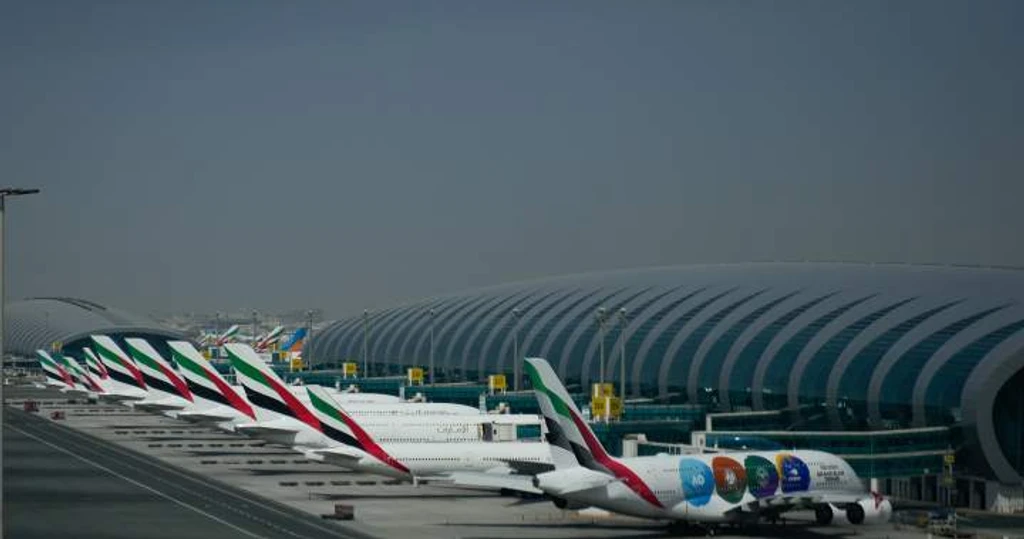
The volatile situation has led Air Canada to extend flight suspensions to several Middle Eastern destinations, including Dubai and Tel Aviv. Canadians in affected regions are advised to monitor government advisories and avoid airports. Some citizens have already returned home via chartered flights, with passengers describing frightening moments but expressing gratitude for safety measures.
Thousands of Canadians in the Middle East have sought assistance to return home. The United Arab Emirates, Iraq, and Iran have seen the highest percentages of registered Canadians requesting to leave. Conflict escalation is also rippling through global energy markets. Kuwait announced precautionary reductions in oil production and refining due to regional attacks and the closure of the Strait of Hormuz. Other Gulf countries, including Iraq, Qatar, and Saudi Arabia, have also reduced or shut down oil production, with analysts warning of potential ripple effects on global energy markets and fuel prices.