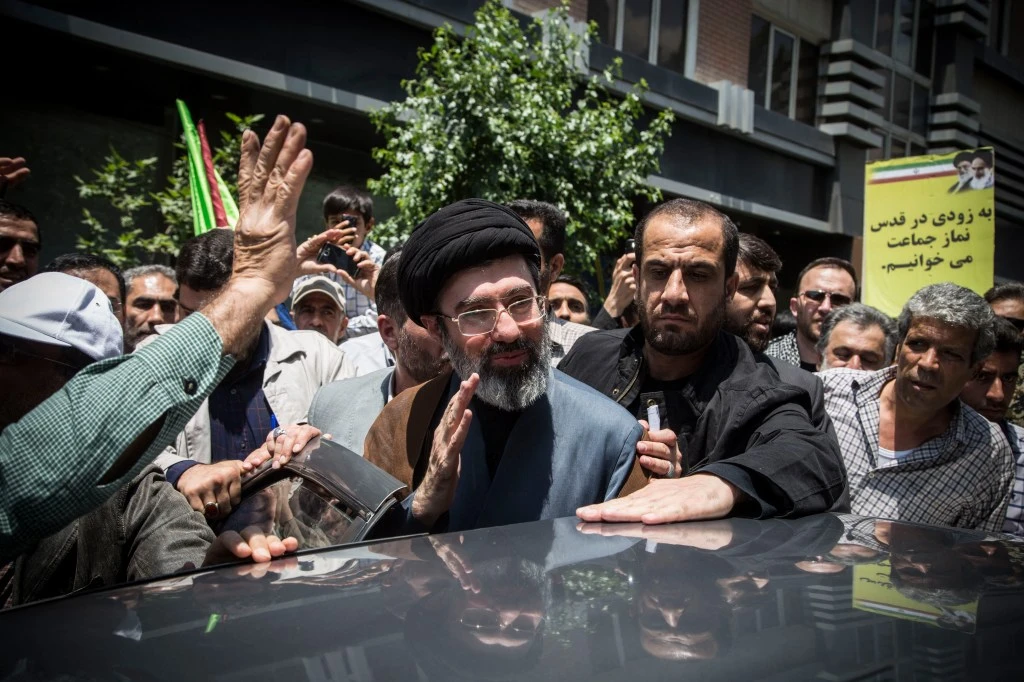
The Islamic Republic of Iran has appointed Mojtaba Khamenei, the son of the late Supreme Leader Ali Khamenei, as the new head of state. This controversial elevation breaks with tradition, as the regime appears to be transforming into a military dictatorship rather than a theocracy.
Mojtaba Khamenei, 56, has largely operated in the shadows, with limited public information available about his personal life. His rise to power is seen as a move by the security forces to maintain the current political course, despite his relatively weak footing and lack of senior clerical credentials.
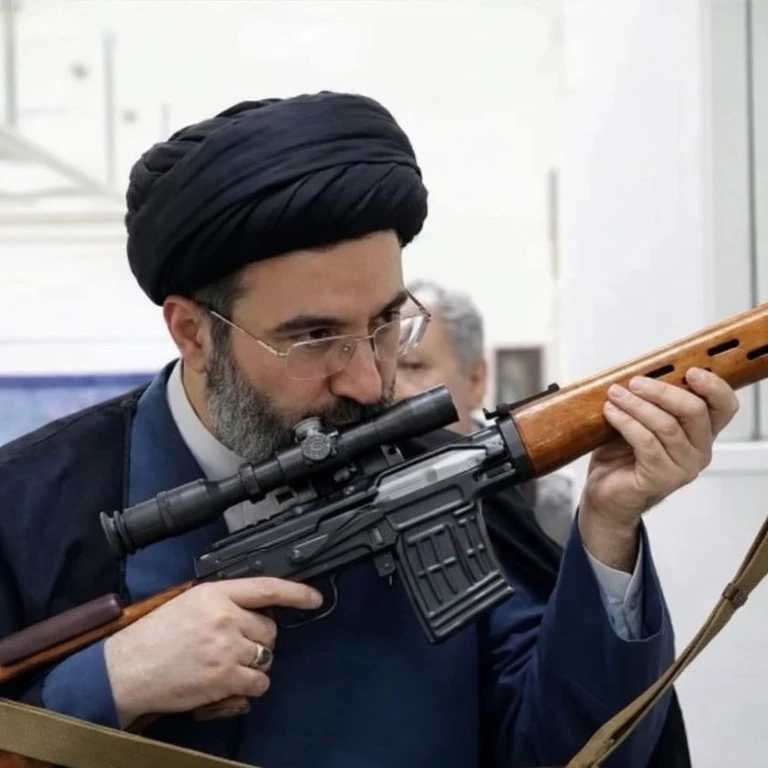
The Assembly of Experts, the body theoretically responsible for selecting the Supreme Leader, appears to have acted under pressure from the security establishment. Historically, the process has been influenced by political maneuvering, with Ali Khamenei himself having been elevated in 1989 through a similar behind-the-scenes arrangement.
Under Ali Khamenei's rule, Iran transitioned from a clerical regime to a military-dominated one, fueled by factors including the Iran-Iraq War, the rise of the Islamic Revolutionary Guard Corps (IRGC) as an economic powerhouse, and increasing public resistance to Islamic orthodoxy.
Mojtaba Khamenei's ascent was preceded by his involvement in the crackdown on the 2009 Green Movement, demonstrating a willingness to use force. However, his lack of significant religious rank and the regime's anti-hereditary stance present potential challenges to his legitimacy.
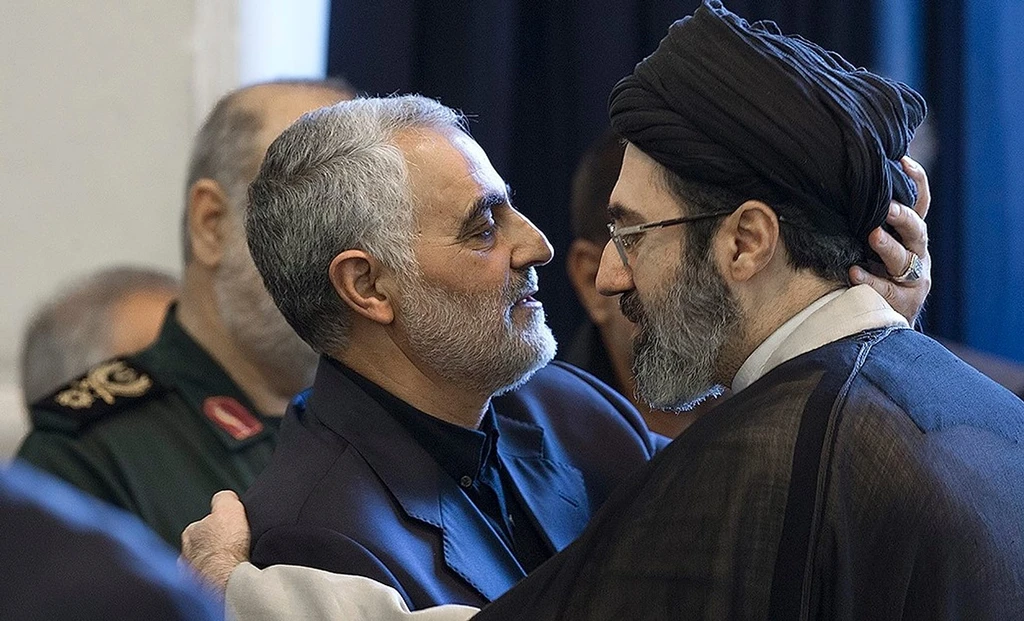
While supporters attempt to bolster his image with accounts of military service, the clerical elite remains largely muted in their congratulations, signaling potential internal dissent. The future of the clergy's influence and its stance against the new leadership remain uncertain, with the possibility of a clerical revolt looming.