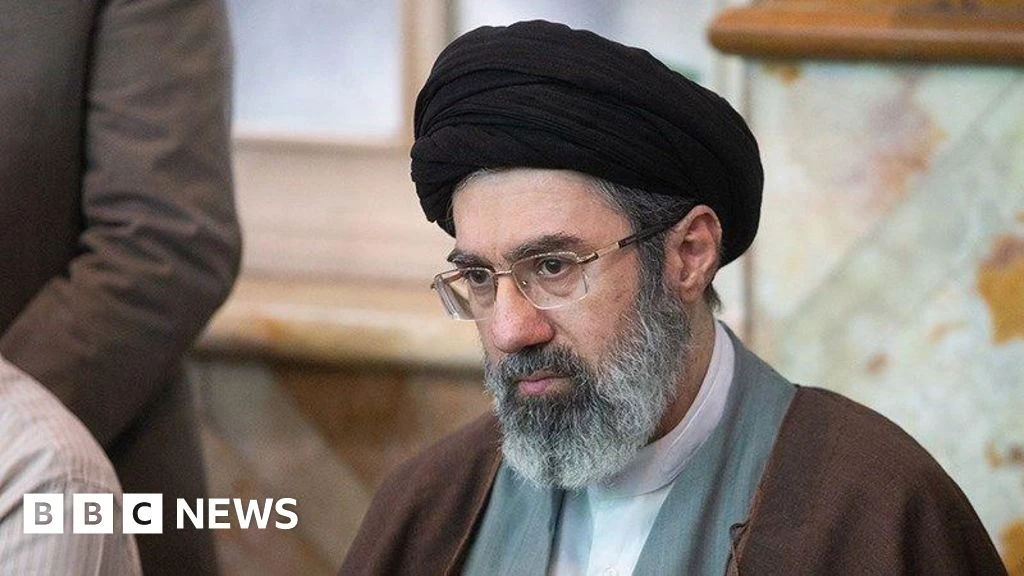
Mojtaba Khamenei, son of Iran's late Ayatollah Ali Khamenei, has reportedly been chosen as his successor. The 56-year-old has maintained a low profile, lacking government office, public speeches, or interviews, with limited public imagery. However, rumors persist of significant behind-the-scenes influence. US diplomatic cables from the late 2000s described him as "the power behind the robes" and a "capable and forceful" figure.
His selection could prove controversial, as the Islamic Republic's ideology emphasizes religious standing and proven leadership over hereditary succession. Mojtaba, born in Mashhad, received religious education in Qom, notably without clerical attire until age 30. He remains a mid-ranking cleric, a potential obstacle to the top leadership role.
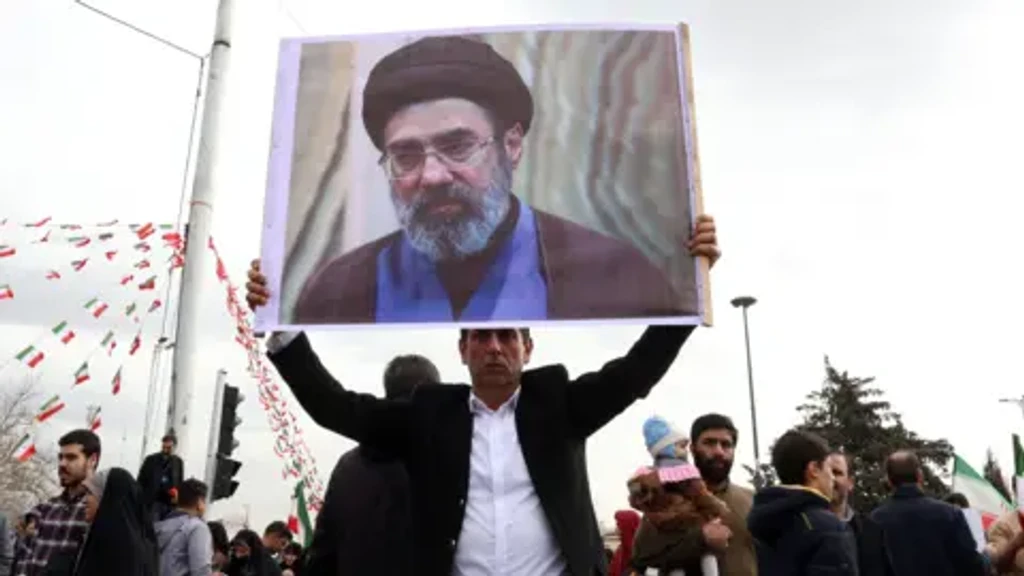
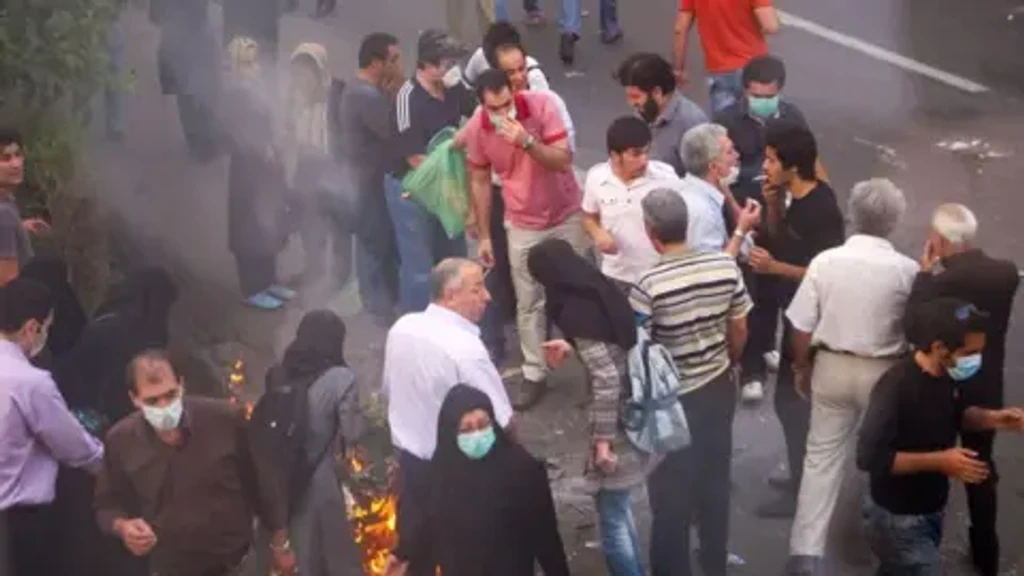
In recent times, some Iranian media have referred to Mojtaba as "Ayatollah," a senior clerical title, suggesting an effort to bolster his religious credentials. This mirrors his father's rapid promotion after becoming supreme leader. Mojtaba first drew public attention during the 2005 presidential election, with accusations of interference through the IRGC and Basij militia. Similar accusations resurfaced during the 2009 Green Movement protests.
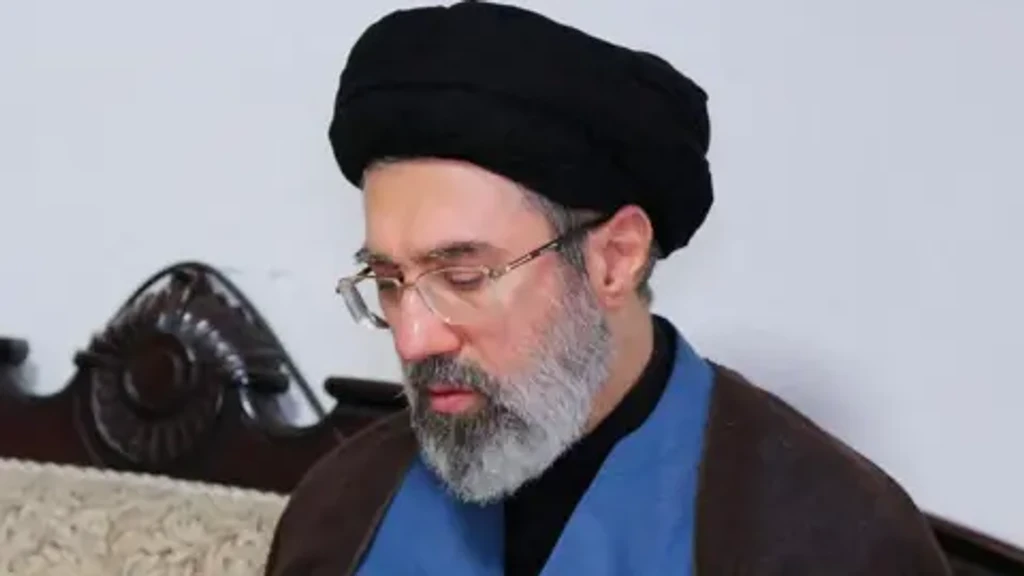
Analysts anticipate Mojtaba will continue his father's hardline policies. His leadership faces the challenge of sustaining the Islamic Republic and addressing economic devastation. The perception of a hereditary system may deepen public discontent. Notably, Israel's defense minister has stated the next supreme leader will be "an unequivocal target for elimination."